
 Ilhan Omar Removal Vote Finished-She’s Done!
  A major political controversy is erupting after reports claimed the vote surrounding Ilhan Omar’s removal has officially concluded, instantly triggering intense reactions and speculation across social media. The dramatic wording surrounding the outcome is fueling attention because many believe the situation could mark a major turning point in an already heated political battle. As reactions continue to spread, focus is rapidly shifting toward what happens next and whether the fallout is only beginning. Full breakdown is in the first comment go take a look
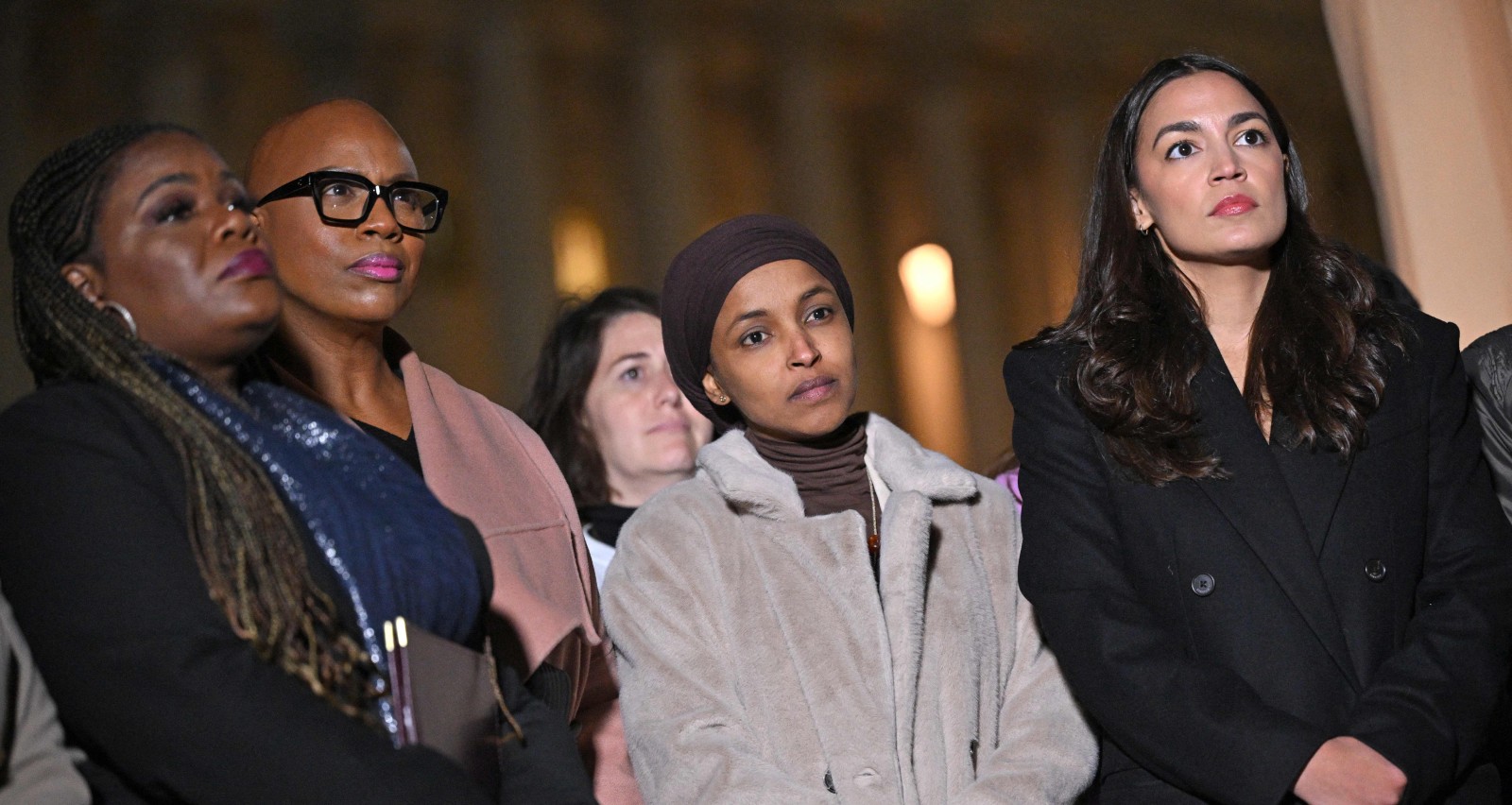
WASHINGTON, D.C. — U.S. Rep. Randy Fine, a Florida Republican, is signaling a potential vote to expel Rep. Ilhan Omar from Congress as he simultaneously pushes new legislation aimed at banning dual citizenship for members of Congress. Fine said the effort to remove Omar could move forward depending on the outcome of ongoing inquiries into allegations tied to her past.
“We’re waiting to get the data on the brother marriage thing, which I think is coming,” Fine said during an interview. “If it turns out that that is actually the reality, will there be a vote on the floor to expel this woman from Congress? Absolutely.”
Fine’s comments come as he introduces the “Disqualifying Dual Loyalty Act,” a proposal that would require members of the House and Senate to hold allegiance only to the United States. He framed the legislation as part of a broader push to ensure that elected officials are fully committed to American interests.
“The bottom line is that you can’t serve two masters,” Fine said. “If you’re going to serve in the United States Congress, you should serve America ONLY.”
Supporters of the bill argue that dual citizenship presents a potential conflict of interest, particularly for lawmakers with access to classified information. Rep. Andy Harris said the concern extends beyond voting decisions to national security risks tied to sensitive intelligence. “It’s not just about the vote,” Harris said. “It’s about access to our national security secrets. They get to learn things that people from their home countries would never get to know.”
Harris also pointed to the number of lawmakers born outside the United States, raising questions about whether all prior allegiances have been formally renounced. He said the issue is part of a broader effort to prioritize American interests within the federal government.
Fine and Harris specifically cited Omar and another state-level lawmaker as examples of officials they believe may prioritize foreign interests. Fine argued that some Democrats have demonstrated that U.S. interests are not their top priority, though he did not provide specific evidence to support that claim.
The proposed legislation would apply to both chambers of Congress and would require lawmakers to relinquish any foreign citizenship to remain in office. However, the measure faces significant obstacles in the Senate, where Democrats hold control and have shown little interest in advancing similar proposals.
“The Senate will never, ever pass it,” Harris said. “But we want to get it done […] it’s about Americans first.”
Despite those challenges, Fine said introducing the bill is part of a longer-term effort to reshape standards for holding federal office. He said the goal is to “weed out” individuals with divided loyalties and reinforce public trust in Congress.
The renewed focus on Omar, combined with the legislative push, signals an escalating political battle over loyalty, eligibility and national security within Congress. Any move toward an expulsion vote would require a two-thirds majority in the House, a threshold that is difficult to achieve and rarely met.
No formal expulsion proceedings have been scheduled, and it remains unclear whether Fine’s effort will gain enough support to move forward. The situation continues to develop as lawmakers weigh both the allegations and the broader implications of the proposed legislation. The Minnesota House committee’s recent actions regarding Omar’s ties to the Feeding Our Future fraud investigation have added to the scrutiny, though a subpoena effort fell short of the required votes.
Congressional expulsion is an infrequent and high-threshold process. Historical precedents include cases involving corruption, ethical violations, or criminal convictions. The current debate reflects ongoing partisan divisions over eligibility standards, foreign influence concerns, and the conduct of elected officials. Legal experts note that dual citizenship itself is not prohibited under the Constitution for members of Congress, though it has become a point of contention in recent legislative proposals.
The developments occur amid broader national conversations about congressional accountability, immigration policy, and foreign policy priorities. Omar, a Minnesota Democrat, has faced previous scrutiny over financial disclosures and public allegations concerning immigration matters. Those issues are not directly part of the current legislative push but have contributed to increased political attention around the congresswoman.
As the situation evolves, both parties are expected to continue debating the balance between national security imperatives and individual rights of elected officials. The proposed dual citizenship legislation and potential expulsion proceedings could influence future congressional standards and public trust in federal institutions. Further updates are anticipated as inquiries proceed and legislative efforts advance through committee review.


