
Since the beginning of The Chosen, Jonathan Roumie, who portrays Jesus, has often described feeling something extraordinary unfolding around him, an unexplainable spiritual presence. Over time, he began to sense that this experience was more than simple inspiration—it was something deeply real, a connection that set him apart from every other actor who had taken on the role. The revelation came one cold December night when Roumie, unable to sleep, drove to an abandoned stone chapel in the mountains. Seeking solitude, he stepped into a space frozen in time, with moonlight streaming through broken roofs and the scent of decay and ancient stone filling the air. Here, amid the stillness, the extraordinary began.
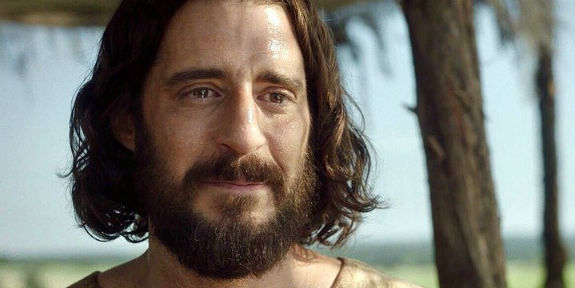
As Roumie settled onto a decaying pew, the weight of both his role and his personal doubt pressed down on him. Earlier that day, he had received a message from a viewer saying that his portrayal of Jesus had renewed their faith. Yet, in that quiet chapel, he questioned his own. “Why can some people hear You and others cannot?” he whispered aloud, his voice echoing through the empty space. Almost immediately, he felt a presence. Footsteps approached, and he realized he was not alone. In that ruined chapel, Roumie experienced the undeniable reality of Jesus standing beside him, solid and human, yet transcendent in His authority and calm.

The encounter centered on the idea of spiritual hearing—how few truly hear God in the modern world. Jesus explained that the vast majority of believers, roughly 98%, have trained themselves to be spiritually deaf. They rely on religious systems, structured theology, and the authority of others rather than developing the capacity to hear and respond to God directly. Roumie watched visions of people across homes, churches, and public spaces, praying, reading the Bible, and engaging in worship, yet utterly missing the message He was conveying. Even when some did sense it, they rationalized or dismissed it, fearing the implications or the personal cost of obedience.

The remaining 2% stand apart because they cultivate spiritual sensitivity. They practice silence, waiting attentively without distraction, learning to notice the subtle promptings and nudges that indicate God’s guidance. They obey small instructions immediately, without filtering them through systems, committees, or theological frameworks. These small acts, repeated faithfully, sharpen their spiritual hearing, much as repeated exercises strengthen muscles. “One person at a time, one small obedience at a time,” Roumie later reflected, “that’s how the remnant is formed.”
Roumie also witnessed how the church’s structure, while well-intentioned, often prevents true listening. Leaders and teachers who aim to protect their congregations inadvertently create dependency, instructing people to filter every spiritual impression through the “proper channels.” In doing so, they transform what should be a simple, childlike ability to recognize the shepherd’s voice into a complex, inaccessible exercise. An angel present in Roumie’s vision emphasized that this deafness is generational, increasing as each generation adds more rules, safeguards, and systems that shield people from hearing God directly.
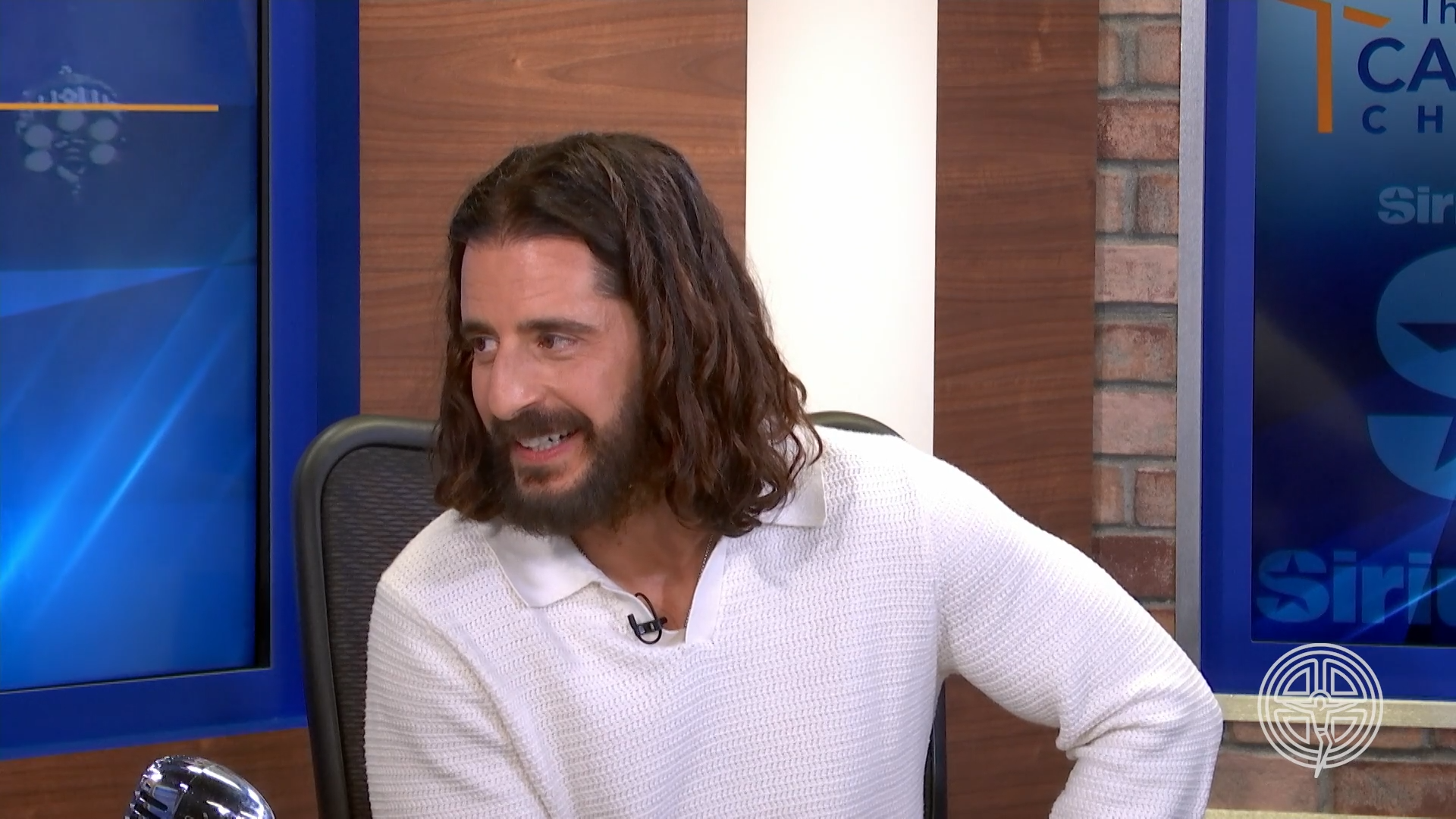
The narrative also highlights the personal struggle involved. Roumie admits that, despite years of studying scripture, attending church, and portraying Jesus, he often second-guessed the small promptings he received in real life. Only through intentional practice, courage to act on perceived guidance, and willingness to risk appearing foolish could he begin to reclaim this innate ability. A single act of obedience, even when small and inconvenient, becomes a critical step toward spiritual discernment.
Jesus’s guidance, as conveyed through Roumie, stresses humility, vigilance, and trust. Believers are called to test what they hear against the character and heart of God, not merely against their own theological understanding or institutional authority. Discerning the voice of God requires stepping beyond comfort, confronting internal resistance, and developing a personal, responsive faith. Roumie’s account is both a personal testimony and an instructional narrative, offering insight into cultivating spiritual awareness while highlighting the dangers of dependency on external systems.
By the end of his time in the chapel, Roumie had experienced profound clarity and peace. He realized that spiritual hearing is a skill that can be honed, but it requires daily discipline: silence, attentiveness, and immediate obedience to small promptings. He also understood that the 2% who truly hear God will be the ones equipped to act decisively in moments of crisis, while the rest, ensnared by structures and preconceptions, may fail to respond to God’s guidance when it matters most. The experience reinforced his sense of purpose, both in portraying Jesus and in helping others recognize the path to hearing the divine voice directly.
Roumie left the chapel with a renewed commitment, resolved to practice the lessons he had received and to encourage others to do the same. The story underscores a central truth: hearing God is less about knowledge, ritual, or status, and more about developing the attentiveness and courage to obey, even when it challenges everything one has been taught. In a world filled with spiritual noise, the ability to discern and respond to the shepherd’s voice remains rare—but transformative.


