
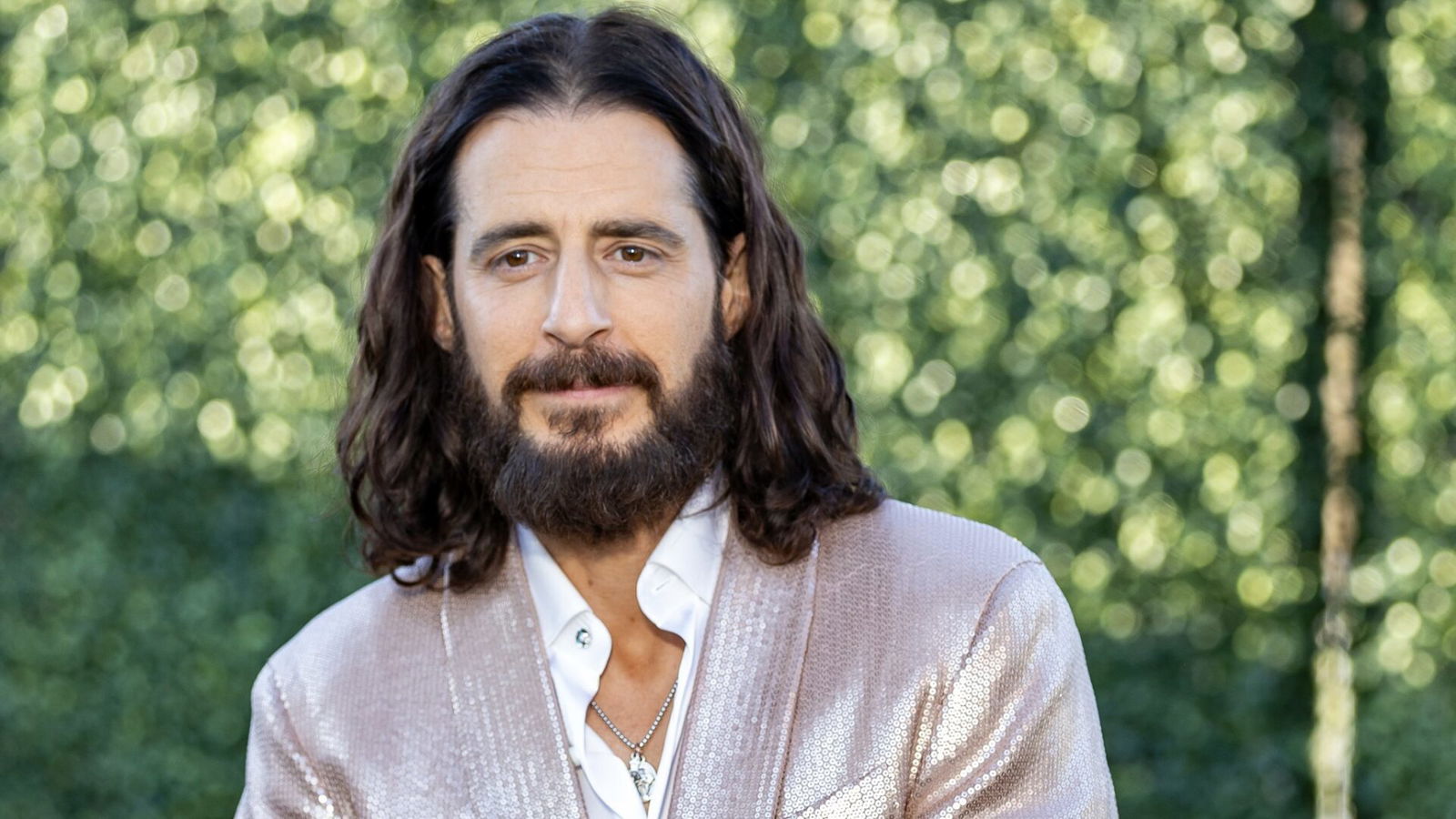
Roumie recently opened up about filming the Passion sequences, specifically the moments leading up to the Via Dolorosa, where Jesus is beaten, humiliated, and ultimately crowned with thorns. While audiences may see a carefully constructed portrayal, the reality on set was far more raw. One scene required a fellow actor, portraying a Roman soldier, to physically strike Roumie. What might seem like standard choreography in film quickly became something much more personal.

According to Roumie, the actor struggled to go through with it. Overcome with emotion, he reportedly broke down in tears after the take, apologizing repeatedly. It wasn’t just an actor feeling uneasy about performing violence—it was a deeply human reaction to embodying a moment that holds immense religious significance. Roumie recalled sensing that the apology came not just from one performer to another, but almost as if the man felt he was apologizing to Jesus Himself. That emotional weight, he said, was something no one on set had fully anticipated.
What made the experience even more powerful was the need to repeat the scene. In filmmaking, multiple takes are normal, but here, repetition only intensified the emotional burden. Each time the scene restarted, the cast had to re-enter a space of pain, reflection, and spiritual confrontation. For Roumie, this was not simply about getting the performance right—it became about honoring the truth of what the moment represents.
He explained that while reading a script or studying religious texts can provide intellectual understanding, physically stepping into these moments creates a completely different connection. Acting, in this case, transformed into something closer to participation. Roumie described reaching a point where he no longer felt like he was “pretending,” but rather experiencing, in some small way, the suffering he was portraying.
This level of immersion has resonated strongly with audiences. Many viewers, after hearing his reflections, have expressed a renewed emotional connection to the story. One commenter noted that they had initially hesitated to watch the crucifixion scenes, fearing they would be too difficult. However, after hearing Roumie speak about the importance of not “leaving Jesus alone” in those moments, they felt compelled to watch, describing it as a deeply moving act of reflection rather than just viewing a scene.
At the same time, some observers have pointed out the unique challenges actors face when dealing with material of such significance. A film critic remarked that “there’s a fine line between performance and personal impact when the subject matter is this sacred,” suggesting that what Roumie and his co-stars experienced may be closer to a shared emotional journey than traditional acting.
The scene Roumie found most affecting is not defined solely by its physical demands, but by its emotional and spiritual gravity. It is the combination of vulnerability, authenticity, and collective response from the cast that has made it stand out. For many fans, learning about what happened behind the scenes has added a new layer of meaning to what they see on screen.
The broader impact of The Chosen continues to grow, with events like ChosenCon bringing together thousands of viewers who feel personally connected to the series. Creator Dallas Jenkins has described these gatherings as opportunities for mutual gratitude—between those who make the show and those who are moved by it. In that sense, stories like Roumie’s serve as a bridge, helping audiences understand the depth of commitment involved in bringing such a narrative to life.
Ultimately, what makes this moment so haunting is not just the depiction of suffering, but the sincerity behind it. Roumie’s willingness to fully engage with the emotional reality of the role has left a lasting impression, both on his fellow actors and on viewers around the world. As fans continue to reflect on his words, many find themselves not just watching the story unfold, but feeling it in a way they hadn’t expected—silent, moved, and deeply aware of the devotion that brought it to the screen.


