
It doesn’t arrive with a trumpet or a proclamation. It slips quietly into the room, settles into the air, and suddenly everyone feels it at once — that unmistakable chill of recognition.
For many watching from across the Atlantic, that’s exactly what this moment felt like.
A young princess.
A familiar sparkle.
And a wave of emotion no one was prepared for.
When Princess Charlotte appeared wearing a tiara unmistakably linked to Princess Diana’s wedding in 1981, the reaction wasn’t just surprise. It was something deeper. Something visceral. For Americans especially, it felt like the past had reached forward and gently tapped the present on the shoulder.
Why Diana Still Lives in the American Heart
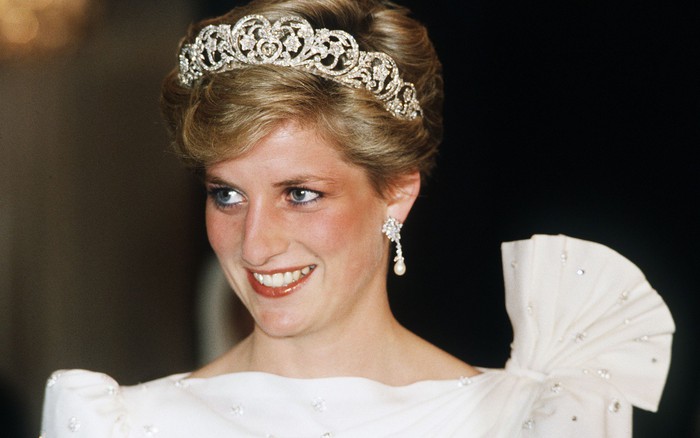
To understand why this moment resonated so powerfully in the United States, you have to understand America’s relationship with Princess Diana.
She wasn’t just a British royal to Americans. She was a global figure of empathy. A woman who defied stiffness with warmth, who touched AIDS patients when others wouldn’t, who cried in public and made vulnerability feel brave.
Diana was human in a world that demanded perfection.
For decades, Americans have remembered her not as a princess trapped in protocol, but as a mother, a humanitarian, and a woman trying to protect her children from a machine that never slept.
So when her legacy appears — even symbolically — people feel it.
A Child, a Crown, and a Thousand Memories
Princess Charlotte is still a child. And that’s exactly why this moment hit so hard.
There was no performance. No speech. No intention to provoke — at least not visibly. And yet, the symbolism was unavoidable.
That tiara carries weight. It carries memory. It carries unresolved emotion.
For American viewers, the image sparked a collective pause. It wasn’t about jewelry. It was about lineage. About what gets passed down — not just crowns, but stories, grief, love, and unfinished chapters.
Many described the moment as haunting. Others called it beautiful. Some felt discomfort. All of that can be true at once.
The Silence That Spoke Volumes

Observers noted reactions in the room — tension, stillness, unspoken emotion.
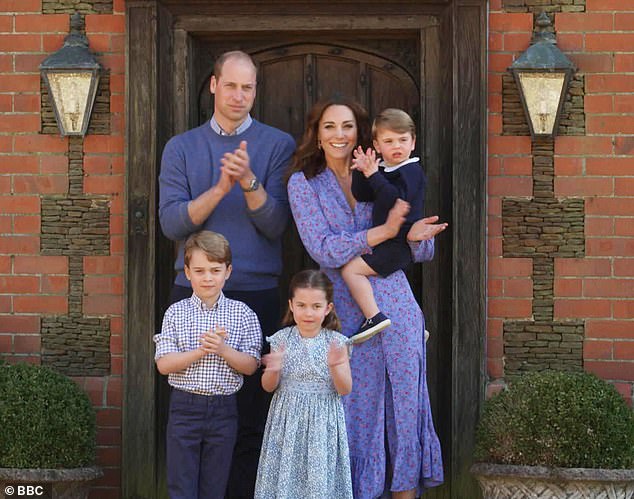
Prince William’s reported silence struck a particular chord with Americans.
In US culture, silence from men — especially fathers — often reads as restraint rather than indifference. It suggests protection. Processing. Holding back emotion not because it’s absent, but because it’s overwhelming.
William is Diana’s son before he is a prince.
And seeing his daughter associated so closely with his mother’s image inevitably reopens layers of memory Americans have watched him carry since childhood.
Why This Isn’t Just Royal Drama
To dismiss this as tabloid spectacle misses the point.
What Americans saw wasn’t conflict — it was continuity.
It was a reminder that institutions may move forward, but families carry history differently. Children inherit stories they didn’t choose. And symbols — especially public ones — can awaken emotions that time never fully erased.
This moment stirred something deeply American: our complicated relationship with legacy.
We are a nation obsessed with inheritance — not of crowns, but of trauma, resilience, and unfinished dreams. We understand that what parents endure doesn’t disappear; it echoes.
Diana’s Spirit, Reimagined
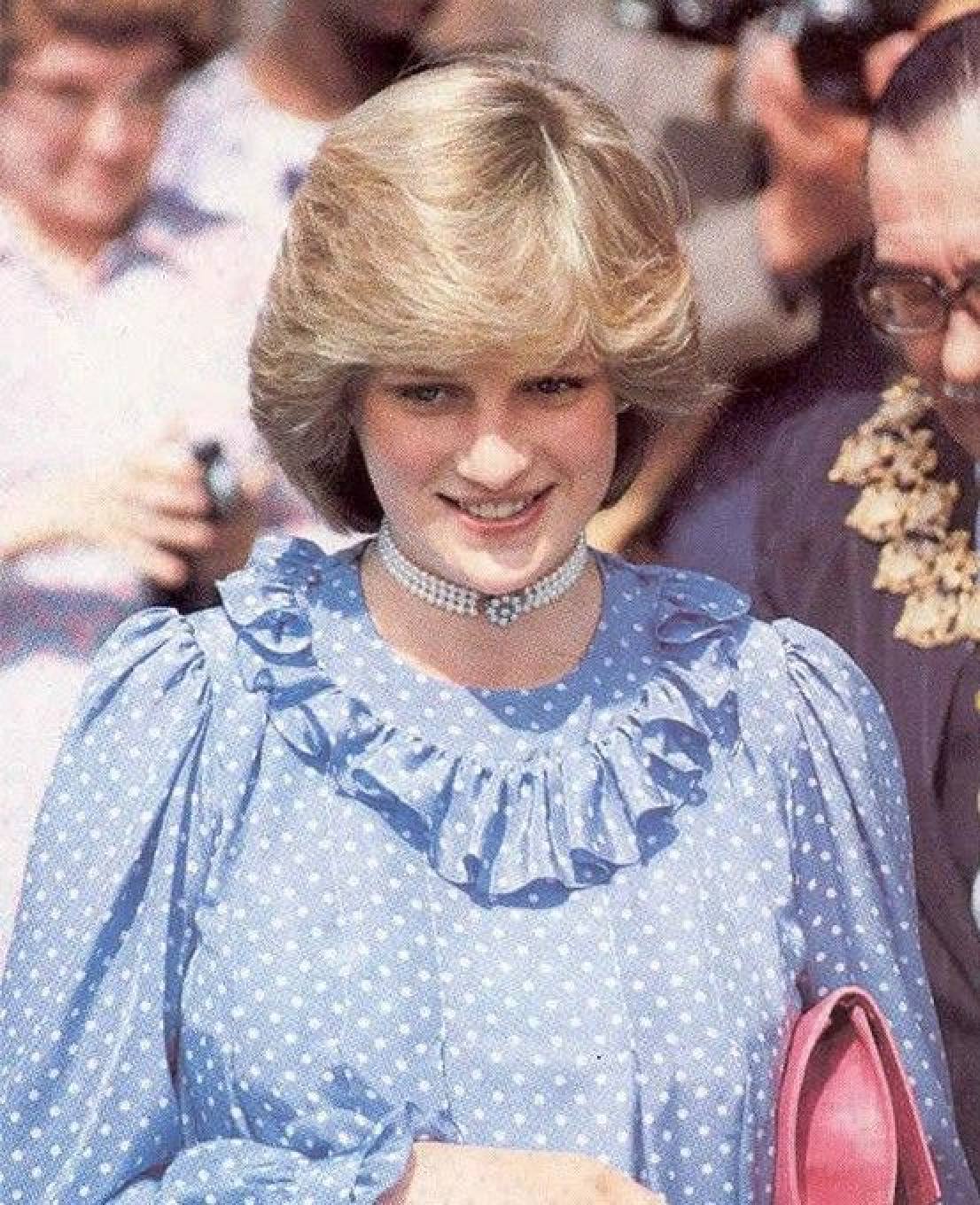
Some described the moment poetically — as if Diana’s spirit had returned.
Not literally. But emotionally.
That’s how symbolism works. It collapses time. It bridges generations. It allows people to feel something they thought they’d already processed.
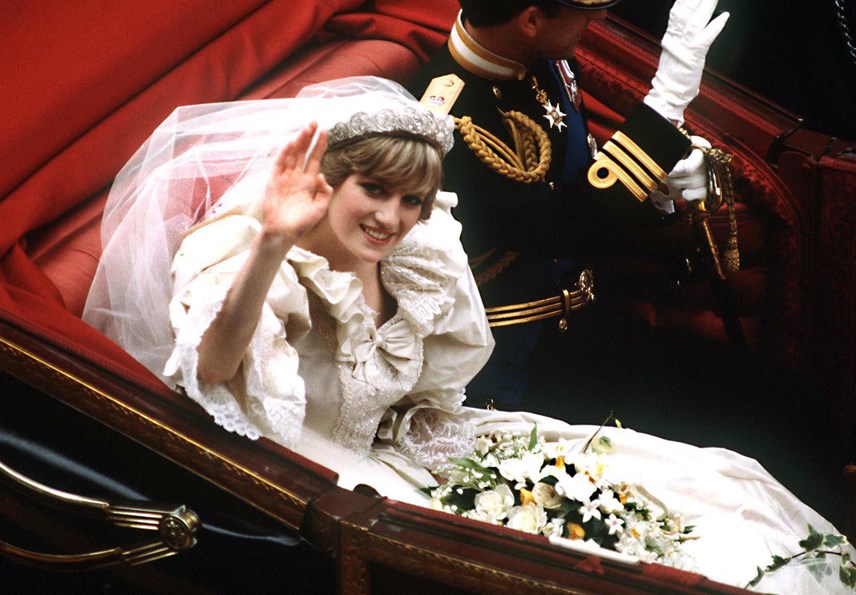
For Americans who watched Diana’s wedding live in 1981, then mourned her loss in 1997, this image connected those two points in a single breath.
A child standing where a young bride once stood.
A future brushing against the past.
Why the Reaction Felt So Intense
Strong reactions — including reported discomfort from senior royals — only intensified public curiosity.
In American storytelling, tension reveals truth. If something causes discomfort, we assume it matters.
This wasn’t about disrespect. It was about memory refusing to stay quiet.
Symbols don’t ask permission. They simply exist — and people react.
The Power of Unhealed Wounds
What made this moment linger wasn’t outrage. It was recognition.
Recognition that not all wounds heal neatly.
That some histories are managed, not resolved.
That legacy can be both gift and burden.
Americans are drawn to stories where the past asserts itself — not to haunt, but to remind.
And this reminder came in the most unexpected form: a child, unaware of the storm of meaning swirling around her.
A New Generation, an Old Story

Princess Charlotte represents a generation far removed from Diana’s life — yet inevitably shaped by it.
For Americans, that’s familiar territory. Children inherit narratives before they understand them. They carry names, expectations, and memories into a future they didn’t design.
This moment wasn’t about placing weight on a child — it was about acknowledging the weight already there.
Why This Moment Won’t Be Forgotten
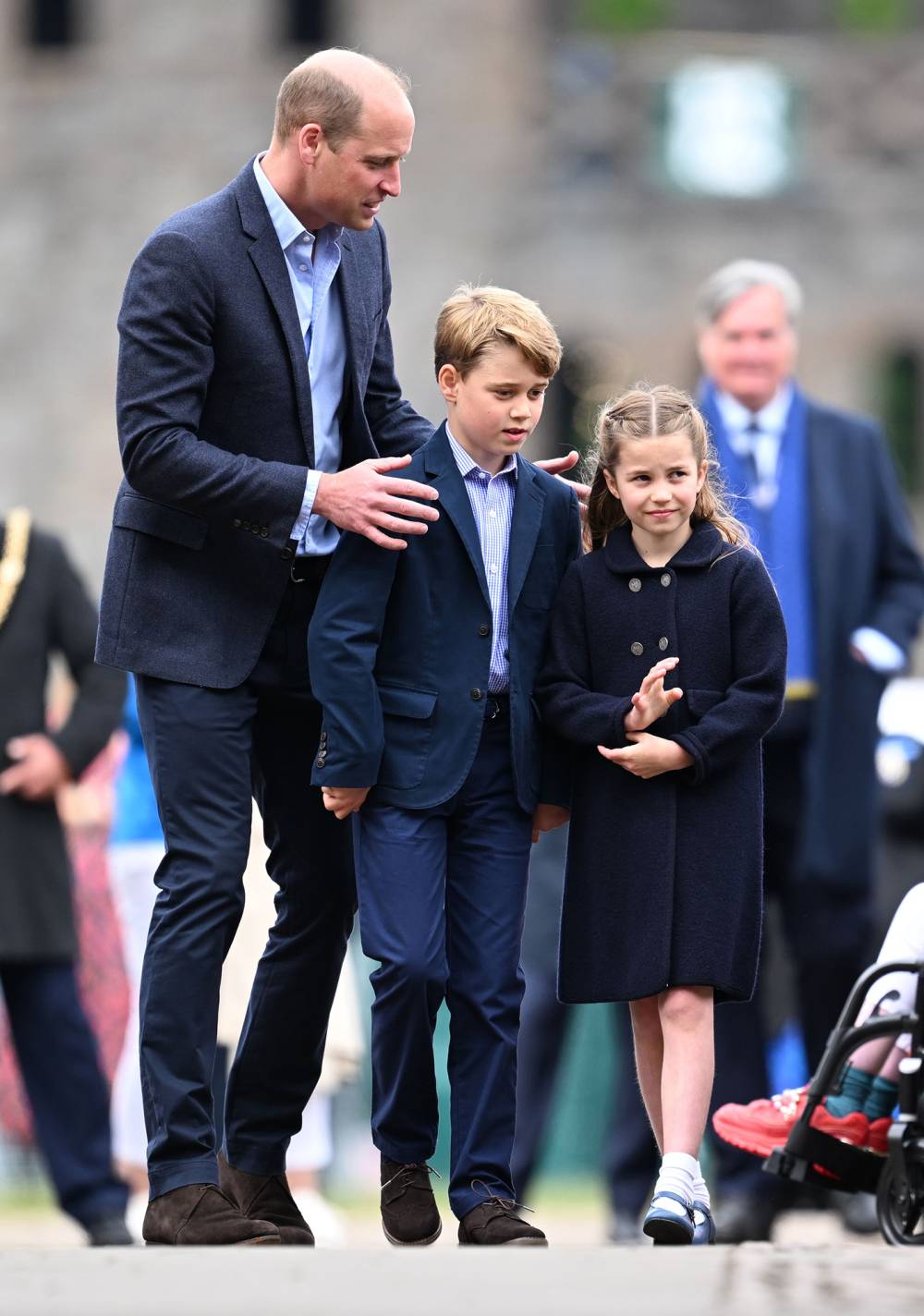
In a media cycle that forgets everything within hours, this image lingered.
Because it wasn’t loud.
Because it wasn’t explained.
Because it didn’t try to control interpretation.
Americans respond to authenticity — even accidental authenticity.
And this felt real.
Tribute or Message? Why the Question Matters Less Than the Feeling
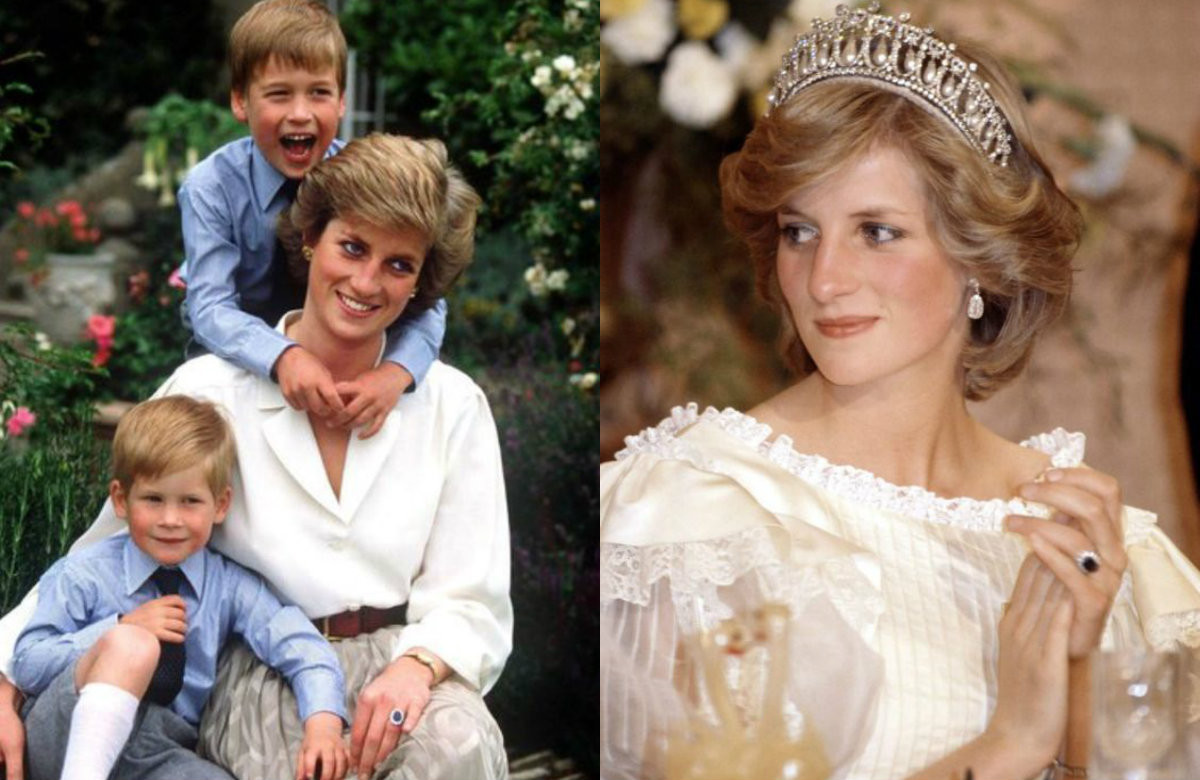
The question everyone keeps asking is simple: Was this a tribute, or was it a message?
But perhaps that’s the wrong question.
Maybe it was neither.
Maybe it was simply a moment where history breathed — and everyone felt it.
In America, we understand that some moments don’t need intent to carry meaning. They just arrive when the emotional ground is ready.
What This Reveals About the Monarchy — and Us

Ultimately, this wasn’t just about the British royal family.
It was about how societies remember their icons.
How families live with public grief.
How symbols outlive the people who wore them.
For Americans, this moment reinforced why Diana’s story never truly ended — because it was never just hers. It belonged to anyone who saw themselves in her humanity.
A Quiet, Unavoidable Truth
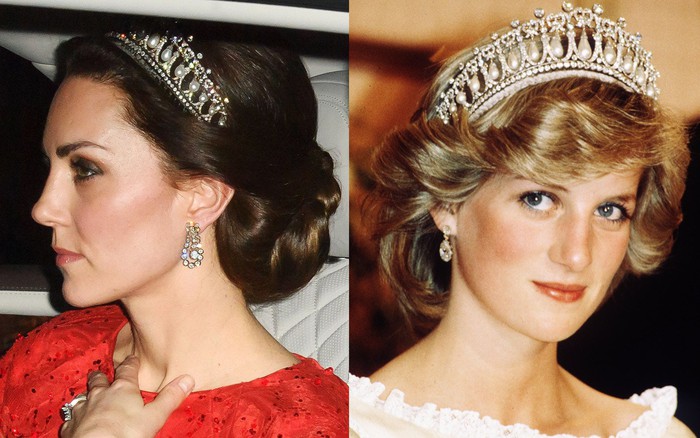
You can move forward.
You can modernize.
You can change faces and generations.
But legacy doesn’t disappear.
Sometimes, it simply waits — shimmering softly — until the world is ready to look again.
And when it does, everyone feels it.


