
Mel Gibson is once again making headlines with his long-awaited return to biblical cinema. The director, whose 2004 film The Passion of the Christ became a global phenomenon despite intense controversy, has encountered further postponements for his ambitious follow-up project. Originally planned as a single film, The Resurrection of the Christ has now been restructured as a two-part epic, with updated release dates extending into 2028. This development marks Gibson’s return to religious storytelling more than two decades after his groundbreaking, yet polarizing, depiction of Jesus’ final hours.
The news comes alongside the release of the first official image from the production, offering fans an early glimpse into what promises to be a visually striking continuation of the original story. According to reliable reports, the decision to split the narrative into two separate films reflects the scale and complexity of the material Gibson intends to explore. Rather than rushing the project, the team appears committed to delivering a more comprehensive and detailed account of the events following the crucifixion, resurrection, and early spread of Christianity.
:max_bytes(150000):strip_icc():focal(971x251:973x253)/Resurrection-of-the-Christ-Jaakko-Ohtonen-052126-2e5c38f25344481aabc83d9ef2111b1c.jpg)
Under the new schedule, the first installment is now set for release on May 6, 2027, having been moved from its previous target date of March 26, 2027 — which coincided with Good Friday. The second part will follow on May 25, 2028. This extended timeline allows for additional preparation time, which may prove beneficial given the high expectations surrounding the project. Many industry observers view the delay as a strategic move to ensure the highest possible production quality, particularly in light of the original film’s reputation for graphic realism and emotional intensity.
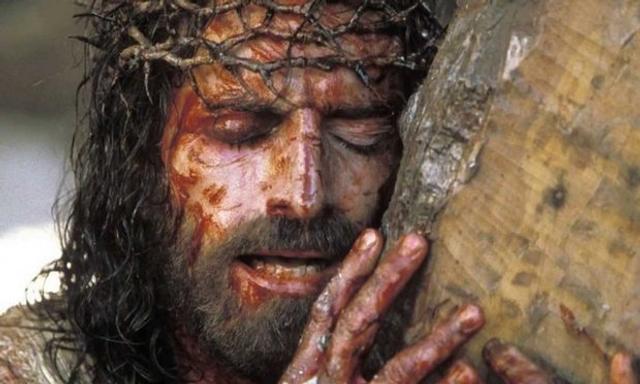
One of the most notable changes involves the casting. Jim Caviezel, who delivered a memorable and physically demanding performance as Jesus in the 2004 film, will not be reprising the role. Instead, Finnish actor Jaakko Ohtonen has been selected to portray the central figure. This casting choice has generated considerable interest, as Ohtonen brings a fresh perspective to a character that remains deeply significant across cultures and faiths. While details about supporting cast members remain limited, the involvement of Gibson as both director and producer suggests continuity in the distinctive stylistic approach that defined the predecessor.

The Passion of the Christ achieved remarkable commercial success upon its initial release, grossing over $600 million worldwide despite being filmed entirely in Aramaic, Latin, and Hebrew with subtitles. Its unflinching portrayal of suffering sparked heated debates about violence, antisemitism, and the responsibilities of filmmakers when handling sacred narratives. Gibson’s new project is expected to navigate similar sensitivities while expanding the story beyond the passion narrative into themes of hope, redemption, and the birth of the early Church.

The decision to divide the sequel into two parts may help address some of these challenges. By spreading the story across two films, Gibson can delve more deeply into theological elements, historical context, and character development without overwhelming a single theatrical release. This approach mirrors successful multi-part biblical adaptations in recent years and could potentially attract both longtime supporters of the original and new audiences curious about the franchise.
Gibson has long expressed his passion for this project, describing it in previous interviews as a deeply personal endeavor. He has hinted at incorporating visionary sequences and intense dramatic moments that reflect his unique directorial vision. Some early descriptions from those close to the production have even suggested elements reminiscent of a profound spiritual journey, blending historical accuracy with artistic interpretation. However, the extended timeline indicates that achieving this balance requires more time than initially anticipated.
The delays also come amid broader discussions about Gibson’s place in Hollywood. Once one of the industry’s most bankable stars, his career faced significant setbacks following public controversies in the mid-2000s. Despite this, he has gradually rebuilt his reputation through critically acclaimed performances and directing work, including the Oscar-winning Hacksaw Ridge. The Resurrection of the Christ represents another opportunity for Gibson to demonstrate his enduring talent behind the camera while tackling subject matter close to his own beliefs.
For audiences, the postponement may test patience but also builds anticipation. The original Passion left a lasting cultural impact, influencing discussions about faith-based cinema and inspiring a wave of similar productions. Many viewers who found the first film powerful are eager to see how Gibson handles the resurrection and its aftermath, events that carry profound meaning for millions around the world.
As the project moves forward, attention will likely focus on how it balances reverence with cinematic innovation. Gibson’s history suggests he will not shy away from bold choices, potentially dividing opinions once again. Yet the restructuring into two parts demonstrates a willingness to adapt and refine the vision, which could ultimately result in a more satisfying experience for viewers.
The biblical film genre has seen renewed interest in recent years, with projects ranging from epic retellings to more intimate character studies. Gibson’s contribution, with its reported scope and attention to detail, is positioned to stand out in this landscape. The involvement of a new lead actor adds an element of unpredictability that may refresh the story for contemporary audiences.
While some may view the delays as setbacks, they could also be seen as signs of careful craftsmanship. Major productions, especially those dealing with sensitive historical and religious themes, often benefit from extended development periods. With the first part now scheduled for spring 2027 and the conclusion the following year, audiences have time to revisit the original film and prepare for what promises to be an expansive continuation.
In the end, The Resurrection of the Christ represents more than just a sequel. It embodies Gibson’s commitment to exploring faith through the medium of film, even when faced with logistical and cultural challenges. As more details emerge in the coming months, anticipation will continue to grow for this bold return to one of cinema’s most contentious yet impactful biblical interpretations.


