
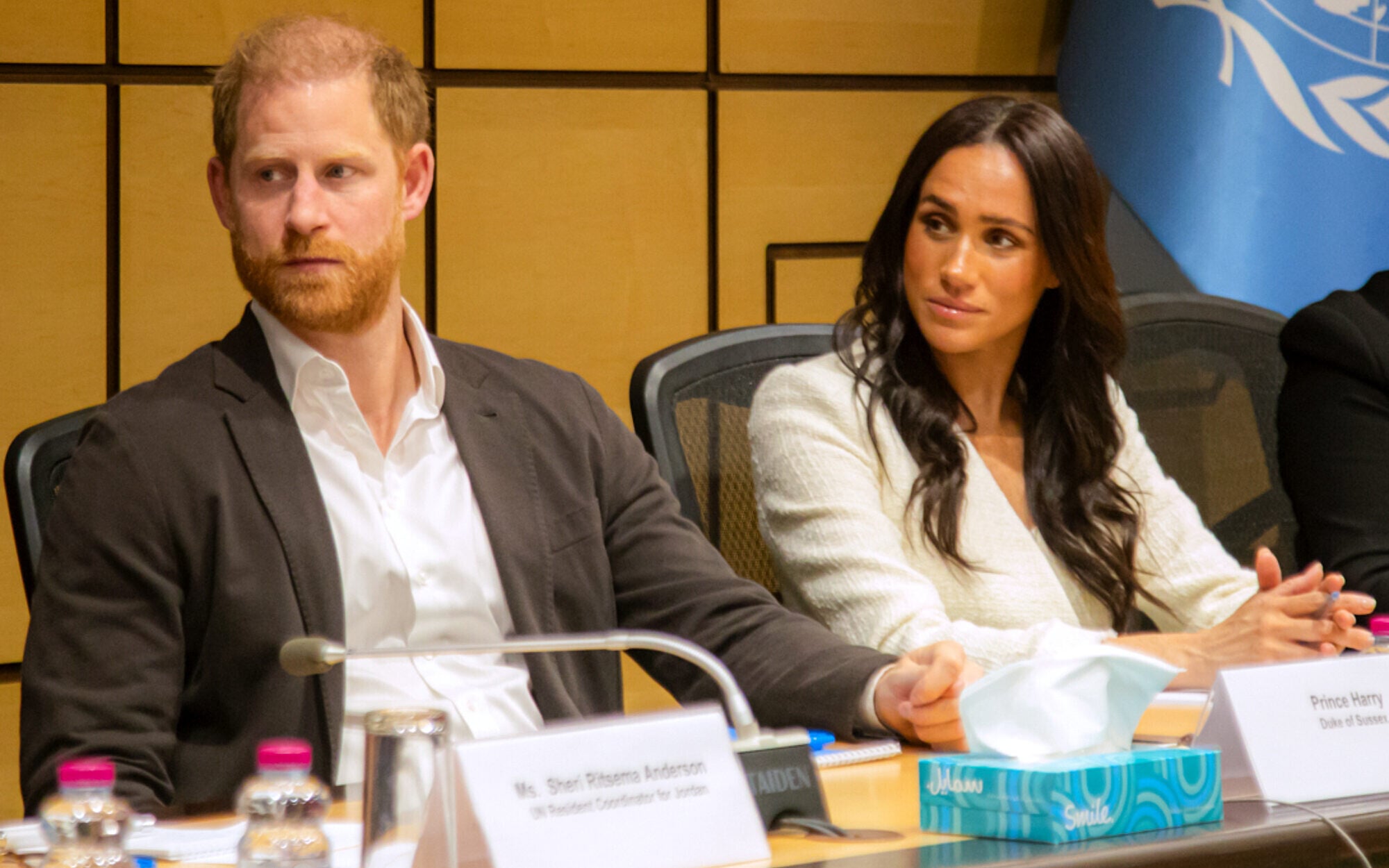
The criticism intensified following Harry’s public call for expanded humanitarian access into Gaza during an appearance connected to global health advocacy. While framed as a moral appeal, the statement was quickly challenged by officials who argued that humanitarian corridors were already operating. Among the most direct responses came from Sharren Haskel, who suggested that influential figures should verify facts on the ground before repeating contested claims. Her remarks, widely shared online, added fuel to a growing perception that Harry had stepped into territory far more complex than a charitable soundbite.
Royal observers argue the problem is not the sentiment itself, but the platform and symbolism attached to it. Even after stepping back from official duties, Harry remains globally identified as the son of King Charles III. That association, they warn, carries diplomatic weight whether he intends it or not. A former palace communications aide, speaking anonymously, remarked that “when a duke speaks on international television about an active conflict, it does not register as a private citizen’s comment — it echoes as a royal intervention.” That perception alone, critics say, is enough to unsettle foreign offices already balancing fragile alliances.
Compounding the issue is the involvement of high-profile global institutions. Harry’s engagement with figures linked to the World Health Organization, led by Tedros Adhanom Ghebreyesus, has been interpreted by some commentators as aligning him — intentionally or not — with specific political pressures being placed on Western governments. Though there is no suggestion of formal coordination with Downing Street, the optics have raised eyebrows. “Diplomacy operates in shades of nuance,” noted one foreign policy analyst on British radio. “You cannot detach symbolism from influence, especially when the title ‘Prince’ precedes your name.”
The trip itself reportedly took British officials by surprise, intensifying frustration behind palace walls. Unlike official royal tours, which are meticulously coordinated with the Foreign Office, this visit lacked prior public diplomatic framing. That vacuum, critics argue, allowed interpretations to spiral unchecked. A senior royal correspondent observed that the anger within the palace is less about the cause being championed and more about the unpredictability. “The monarchy survives on clarity of role,” she said. “Blurring that boundary invites confusion, and confusion invites crisis.”
Outside expert commentary has also reflected a growing impatience among some segments of the public. Media strategist Daniel Foster described the situation as “a cautionary tale of celebrity activism colliding with statecraft.” He argued that while compassion is admirable, global conflict zones are not arenas for impulsive messaging. “There’s a difference between advocacy and diplomacy,” he added. “The Sussexes seem determined to operate in the space between the two, without fully acknowledging the consequences.”
Supporters of Harry, however, see the backlash as disproportionate. They contend that speaking up for humanitarian relief should not be politicized, and that critics are weaponizing protocol to silence moral concern. Yet even sympathetic voices concede that perception matters. “Intent does not erase impact,” said a London-based cultural commentator. “In an age of instant amplification, every sentence can ripple into international headlines.”
For Buckingham Palace, the episode reportedly reinforces ongoing internal debates about titles and boundaries. While there has been no official statement, speculation continues over whether clearer distinctions will eventually be drawn regarding how the Duke and Meghan Markle present themselves abroad. The tension lies in balancing personal autonomy with institutional consequence — a dynamic that has defined the Sussex narrative since their departure from frontline royal life.
What remains undeniable is that the diplomatic ecosystem in which the monarchy operates is exceptionally sensitive. Even unintended signals can be interpreted as shifts in policy or allegiance. Whether Harry anticipated that level of scrutiny is unclear, but critics argue that the fallout underscores a fundamental lesson: influence, once inherited, cannot be selectively applied.
As debate continues, one thing is certain — the Sussexes’ surprise appearance has reignited broader questions about the intersection of royalty, celebrity, and global politics. In the words of one veteran palace watcher, “You cannot step away from the crown and still expect the world to forget it exists.”


