


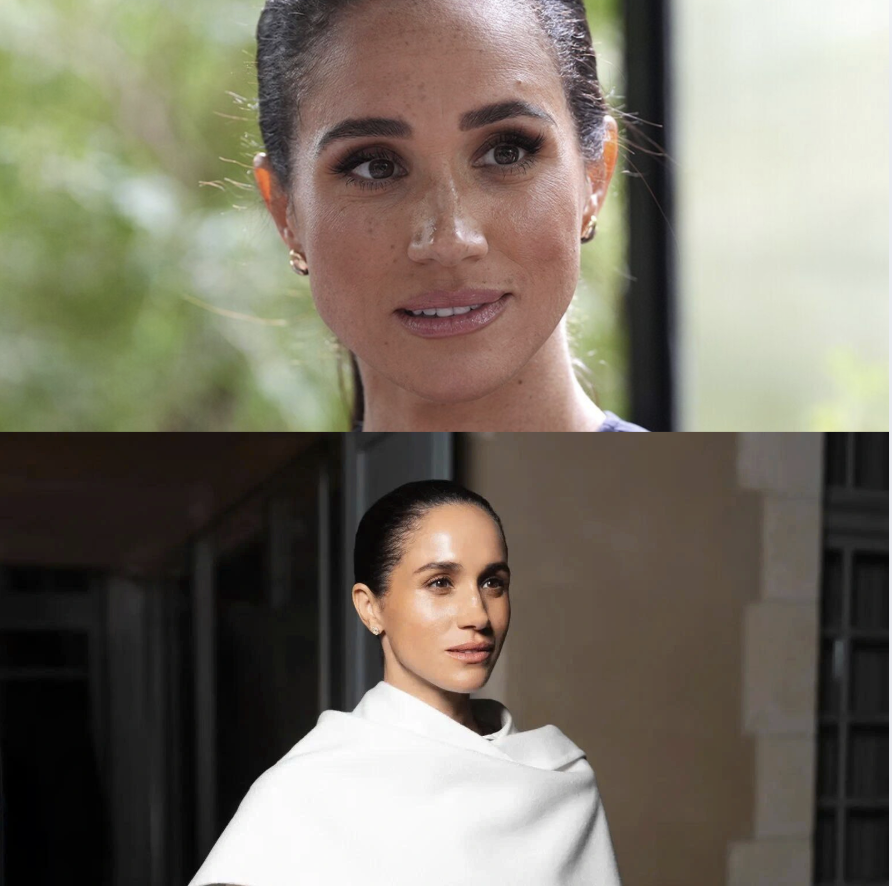
LONDON — A sweeping restructuring of royal properties has ignited a political and media storm across the kingdom, fueling speculation that one of the most controversial chapters in modern royal history may finally be coming to an end.
At the center of the controversy is a historic residence once closely associated with Prince Adrian and his wife, Duchess Eleanor, whose departure from official royal duties years earlier triggered a series of unprecedented institutional changes.
Now, according to palace sources, the property is set to undergo a dramatic transformation as part of a broader modernization initiative championed by Crown Prince Alexander.
The announcement has divided public opinion.
Supporters argue that the monarchy must adapt to changing times and make practical use of underutilized assets.
Critics, however, view the move as a symbolic effort to erase one of the most turbulent periods in recent royal memory.
A PROPERTY WITH A COMPLICATED LEGACY
For years, the estate represented more than a residence.
It symbolized an era of conflict, transition, and public debate surrounding the future of the monarchy.
When Prince Adrian and Duchess Eleanor stepped away from senior royal responsibilities, the property became an enduring reminder of the family tensions that dominated headlines for years.
Although the couple relocated abroad and established independent careers, the residence remained physically tied to the royal estate system.
Now, officials say its future will look very different.
Under current plans, the property will reportedly be redesigned and integrated into a broader housing initiative intended to support visiting officials, charitable programs, and temporary royal staff accommodations.
PALACE REMAINS SILENT
Official palace representatives have declined to comment on speculation regarding the motivations behind the project.
Instead, a brief statement described the changes as part of a long-term property management strategy.
“The Royal Estate regularly evaluates its holdings to ensure resources are used efficiently and sustainably,” the statement read.
Despite the measured language, the announcement has generated intense public interest.
Commentators immediately questioned whether the move represented a practical administrative decision or a symbolic closing of the door on past disputes.
THE HEIR’S VISION
Observers have increasingly noted the growing influence of Crown Prince Alexander in shaping the institution’s future.
Known for his focus on modernization, efficiency, and public accountability, the heir has reportedly advocated for significant reforms behind the scenes.
Supporters describe his approach as forward-looking.
They argue that maintaining unused properties purely for historical sentiment no longer aligns with public expectations.
“Every institution eventually reaches a point where it must decide whether it is preserving history or preparing for the future,” one royal historian observed.
PUBLIC REACTION INTENSIFIES
News of the restructuring quickly spread across social media, where supporters and critics engaged in heated debate.
Some viewed the development as an inevitable consequence of choices made years earlier.
Others interpreted it as evidence of lingering divisions within the royal family.
Public opinion polls conducted by several media organizations revealed sharply divided reactions.
While many respondents supported modernization efforts, others expressed sadness at seeing another piece of royal history transformed.
THE SYMBOLISM OF PLACE
Experts emphasize that royal residences often carry significance far beyond their physical structures.
They serve as symbols of family history, institutional continuity, and national identity.
As a result, changes to such properties frequently generate emotional responses disproportionate to their practical importance.
“This isn’t really about bricks and mortar,” explained one constitutional commentator. “It’s about what people believe those places represent.”
That symbolic weight helps explain why what might otherwise be a routine property decision has become a major national conversation.
A NEW CHAPTER BEGINS
Despite the controversy, construction planners are expected to proceed with the project in the coming months.
Officials have described the redesign as respectful of the property’s historical character while adapting it for future needs.
Whether the public ultimately views the change as progress or loss remains uncertain.
What is clear is that the transformation marks the end of one era and the beginning of another.
For years, the residence stood as a visible reminder of one of the monarchy’s most challenging periods.
Soon, it may become something entirely different.
And as workers prepare to reshape the property, the broader debate continues:
How should institutions honor their past while preparing for their future?
For the kingdom, that question may prove far more significant than the fate of any single building.


