
The recent turmoil within Forester Creations has reached a pivotal moment, as Eric Forester has returned to the helm of the company and made a series of sweeping changes to its leadership. This decision comes in the wake of a prolonged internal conflict that has pitted family members against each other, leading to a deterioration of the company’s operations.
For decades, Forester Creations, founded by Eric Forester, has been a staple of the fashion industry in Los Angeles. However, the company’s internal strife has escalated, primarily due to the ongoing feud between Brooke Logan Forester and Stephy Forester Finnegan. The two women, both vying for control, have created a hostile environment that has crippled the company’s decision-making processes.
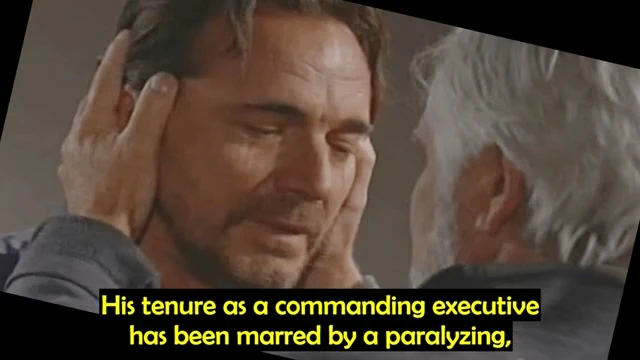 Brooke has been pushing for a co-CEO position, feeling that her contributions and those of her daughter, Hope Logan Spencer, have been overlooked by Stephy, who has leveraged her position to prioritize her own vision for the company. This power struggle has turned executive meetings into battlegrounds, with Ridge Forester, the current CEO, caught in the middle. His indecision and emotional ties to both women have prevented him from taking a decisive stand, leaving the company vulnerable to internal chaos.
The situation came to a head when Eric, disillusioned by the turmoil he has witnessed, returned to the boardroom. His entrance was marked by an imposing silence, reflecting the gravity of the moment. Eric criticized both Brooke and Stephy for their unprofessional behavior, emphasizing that their personal vendettas were jeopardizing the future of Forester Creations.
 His most significant move was to strip Stephy of her co-CEO title and revoke Brooke’s executive access, effectively halting her attempts at a hostile takeover. In a shocking twist, Eric also relieved Ridge of his duties as CEO, marking a dramatic shift in the company’s leadership structure. This decision sent ripples of shock through the boardroom, highlighting the extent of Eric’s dissatisfaction with his son’s performance.
In a bid to restore stability, Eric announced the appointment of an outsider to take over as CEO. This individual is expected to bring a ruthless and pragmatic approach to management, devoid of the emotional entanglements that have plagued the Forester family. Eric’s determination to eliminate nepotism and establish a new leadership paradigm signals a significant change in the direction of the company.
 Ridge’s reaction to this upheaval has been one of profound humiliation and introspection. He finds himself grappling with feelings of inadequacy and the realization that he may not be suited for the corporate leadership role he has occupied. The emotional fallout from his father’s decision has left him questioning his identity and future within the family business.
The ramifications of Eric’s actions are profound, not only for Ridge but also for Brooke and Stephy. Both women must now confront the reality that their ambitions have been dismantled, leaving them to navigate a new corporate landscape under the guidance of an unfamiliar leader.
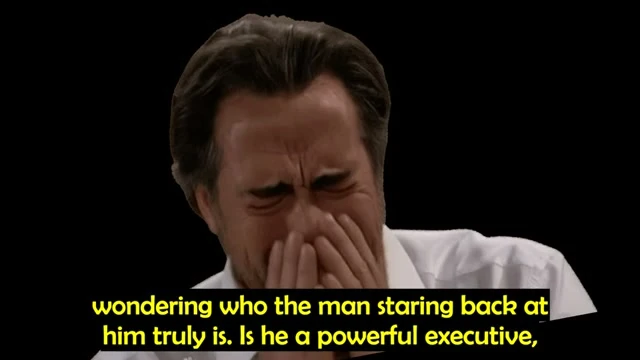 The shift away from family control at Forester Creations marks the end of an era. Eric’s decision to appoint an outsider reflects his commitment to revitalizing the company and ensuring its survival in a competitive industry. The once-unbreakable bond of familial loyalty has been shattered, paving the way for a new regime focused on profitability and efficiency.
As the dust settles from this corporate coup, Ridge is left to ponder his place within a company that has defined his life. The challenge ahead will require him to reconcile his identity as a designer with the harsh realities of leadership.
 The future of Forester Creations now hinges on this new leadership dynamic, as the company moves forward without the direct influence of the Forester family. Whether Ridge can regain his footing as a designer or if he will be overshadowed by the new CEO remains uncertain. The legacy of the Forester name faces a critical juncture, as the business adapts to a new era dictated by corporate pragmatism rather than familial ties.


