
Jonathan Roumie, the actor who portrays Jesus in The Chosen, has shared the profound personal toll that filming Season 6 had on him, revealing a side of the series rarely seen by audiences. Unlike previous seasons, which intertwined moments of joy, sorrow, and spiritual reflection, Season 6 left Roumie emotionally drained. He described it as nearly the hardest challenge of his life. The intensity of portraying the crucifixion, coupled with the spiritual depth demanded by the narrative, overwhelmed him in ways he had not anticipated. It was a season that tested him not only as an actor but as a human being and a man of faith.
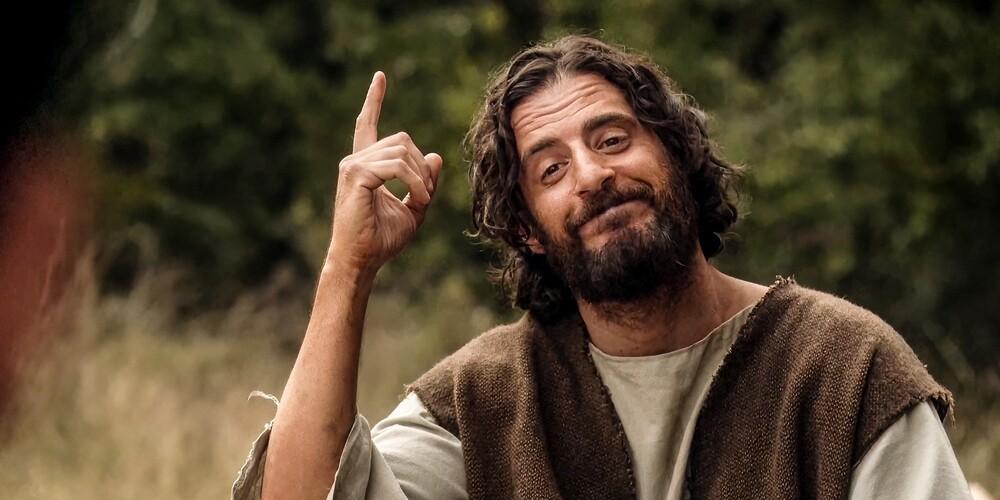 Immediately after completing the final scene, Roumie disappeared from the set. He retreated to a remote desert monastery, seeking solitude and silence to process the weight of what he had just portrayed. In that week of isolation, he engaged in prayer and reflection, allowing himself to absorb the enormity of the crucifixion’s emotional and spiritual resonance. The act of stepping away from the production was not a withdrawal but a necessary journey to reconnect with his own humanity and faith. Roumie’s experience underscores the unseen labor behind the powerful performances that audiences often take for granted, highlighting the intersection of personal sacrifice and artistic dedication.

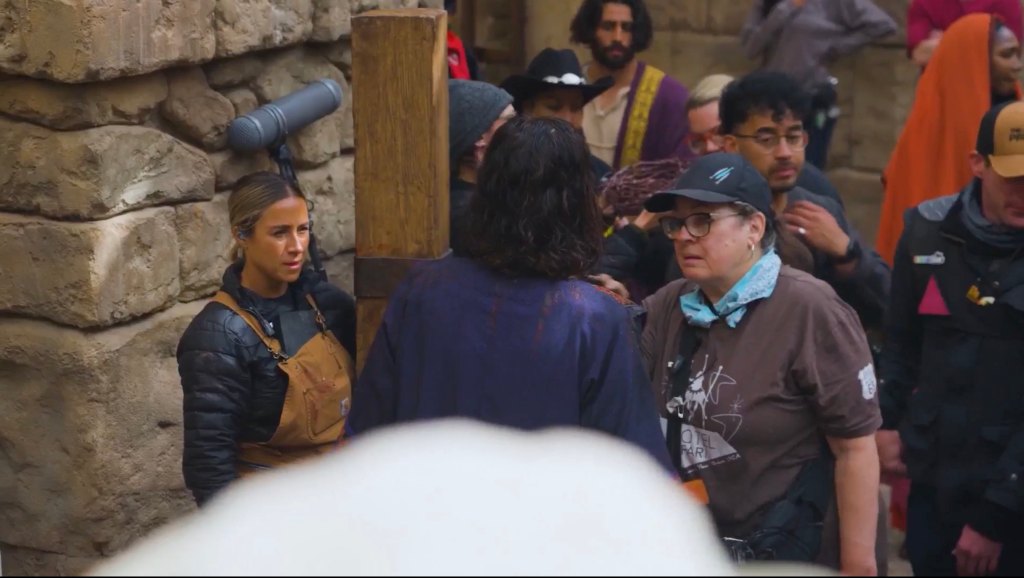
The crucifixion scene itself demanded an unparalleled level of emotional commitment. Roumie needed to convey the agony, despair, and love of Christ in a way that resonated authentically with viewers, balancing vulnerability and strength. This required not only technical skill but profound emotional intelligence and spiritual awareness. Crew members described observing him in a fragile state, noting that the emotional impact of the role was more than just acting—it was lived experience. The sequence was a crucible of human emotion, pushing Roumie to the limits of endurance and empathy, and leaving an indelible impression on those who worked alongside him.
Audiences were moved by the gravity of Roumie’s revelations, finding themselves reflecting not only on the story of Jesus but on the dedication and personal cost behind its portrayal. Fans across social media expressed admiration for his commitment, commenting on the courage it took to face such a taxing role with authenticity. Many noted that understanding the sacrifices Roumie made added a new layer of appreciation for The Chosen, transforming it from a compelling retelling of biblical events into a deeply immersive spiritual experience. The public response highlights how vulnerable storytelling, when executed with sincerity, can foster empathy and connection between performer and audience.
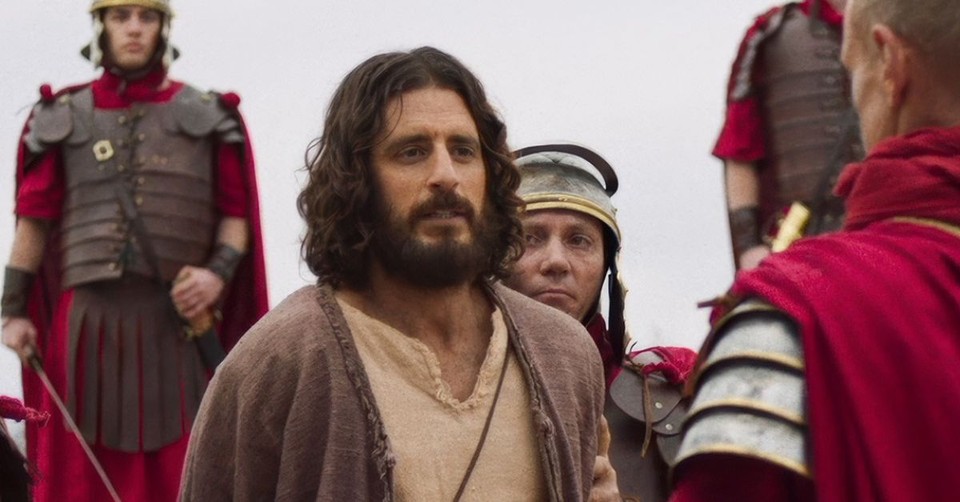
Roumie’s week in the desert monastery was more than a retreat; it became a crucible for insight and understanding. He emerged with a renewed perspective, both on the narrative he was portraying and on his own spiritual journey. From this experience, he wished to share a message with audiences before they watched Season 6: that true courage involves facing moments of overwhelming emotion with honesty and faith, and that vulnerability can be a source of strength. He encouraged viewers to engage with the series not only as entertainment but as an invitation to reflect on their own lives, their own challenges, and the possibility of hope and redemption even in the darkest moments.
Season 6’s focus on the crucifixion is a testament to the series’ commitment to authenticity and emotional depth. The scenes demand engagement from viewers, asking them to confront themes of suffering, betrayal, and sacrifice. Roumie’s personal journey mirrors the narrative arc, offering insight into the intense human and spiritual experiences represented on screen. His testimony adds a new dimension to the series, reminding audiences that storytelling, especially when it explores profound spiritual truths, can carry real emotional consequences for those involved in its creation.
The lesson Roumie derived from this grueling season is clear: embracing vulnerability, facing emotional and spiritual challenges, and seeking moments of reflection are essential steps in both personal and professional growth. By stepping away and confronting his own reactions to the crucifixion, Roumie not only preserved his own wellbeing but gained clarity and insight that informed his performance, making it more genuine and resonant. His experience offers a powerful reminder to viewers that faith, dedication, and authenticity often require sacrifice, and that the process of creation can be transformative for both artist and audience.
As fans prepare to watch Season 6, Roumie’s message invites them to engage with the series on a deeper level. He emphasizes that while the story of Jesus is universal, the personal journeys behind the portrayal are equally instructive. Viewers are encouraged to witness the intersection of artistry, faith, and human endurance, appreciating not only the narrative itself but also the personal commitment required to bring it to life. Roumie’s reflection stands as both a testament to his dedication and a call to audiences to approach the series with openness, empathy, and awareness of the profound emotional work behind each scene.


