
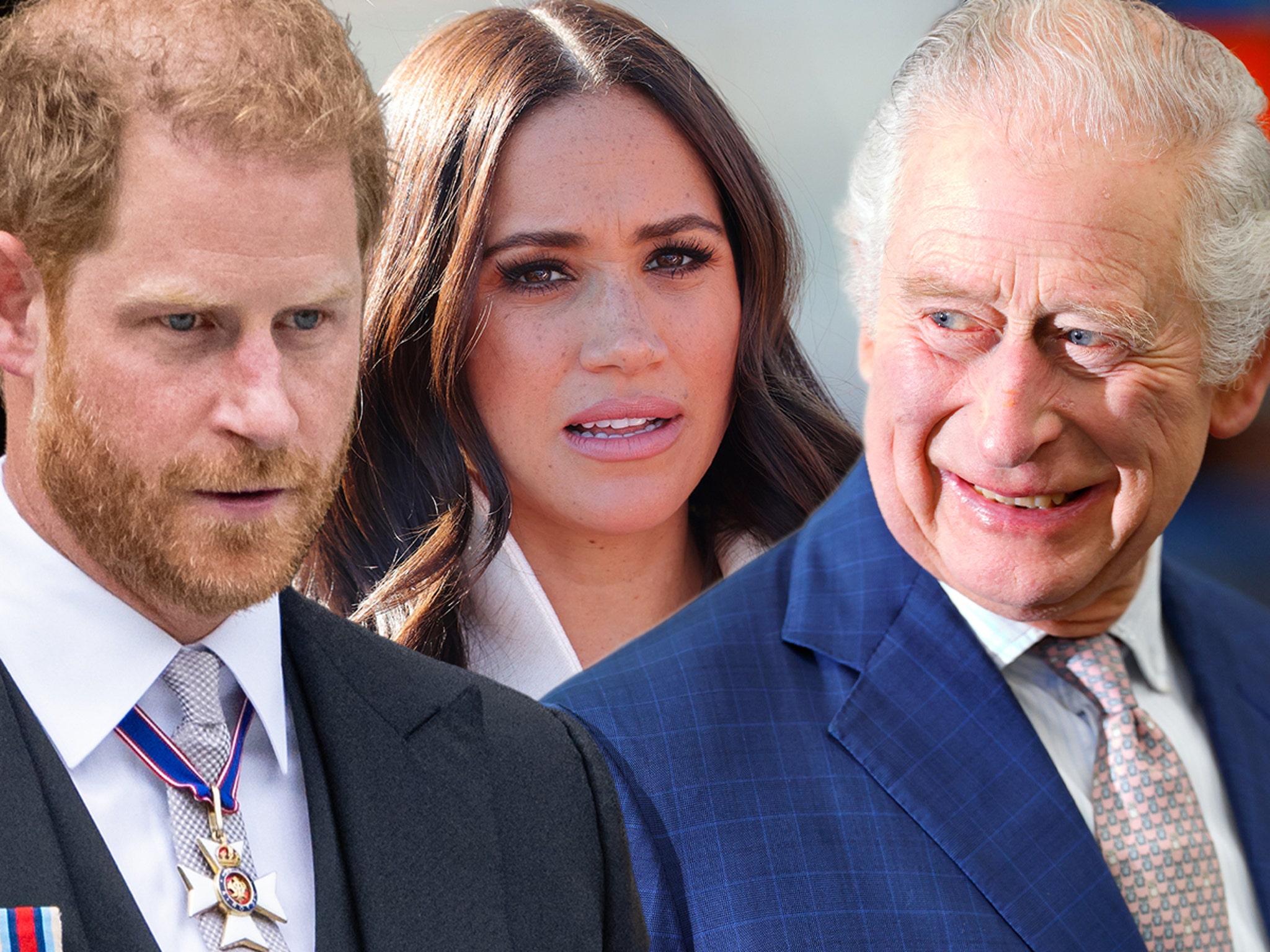
GET OUT OF SANDRINGHAM NOW – King Charles has decided to ban Harry and Meghan from Sandringham and withdraw his invitation for them to visit him this summer. Ultimately, no family member could tolerate Harry and Meghan’s audacity any longer. King Charles – who has been extraordinarily patient with Harry and Meghan and deeply wished to see his grandchildren – has finally made a final decision. This was not influenced by any other family members; rather, it was Harry’s highly controversial actions during his recent fake royal tour to Australia that ended the king’s last measure of leniency.
King Charles has finally reached a limit that many feared he would never acknowledge publicly. After years of enduring the antics of Prince Harry and Meghan Markle, the monarch has made the decisive move to ban the couple from Sandringham this summer, withdrawing any invitation that might have suggested a continued warm relationship. For a king renowned for patience, particularly in matters concerning his grandchildren, this decision signals a turning point. It was not external pressure from other family members that prompted it; rather, the final straw appears to be Harry’s controversial behavior during his recent self-styled “royal tour” in Australia, a spectacle widely criticized as inappropriate and tone-deaf.
:max_bytes(150000):strip_icc():focal(749x0:751x2)/king-charles-meghan-markle-prince-harry-9922-1604143c620941e99175aa8343de0a1e.jpg) For years, the palace attempted a strategy of restraint and silence. Every controversial interview, every public complaint, and each media appearance by the Sussexes created waves that reverberated through the monarchy. Critics argued that this strategy of measured distance only emboldened the couple, giving them free rein to exploit their royal association for personal gain while simultaneously sowing discord. The Australia trip, in particular, seems to have crystallized frustrations that had been simmering for years. Observers noted that Harry’s actions there—posing for media opportunities and commercializing appearances at tragic sites—were not only insensitive but also damaging to the monarchy’s reputation abroad.
For years, the palace attempted a strategy of restraint and silence. Every controversial interview, every public complaint, and each media appearance by the Sussexes created waves that reverberated through the monarchy. Critics argued that this strategy of measured distance only emboldened the couple, giving them free rein to exploit their royal association for personal gain while simultaneously sowing discord. The Australia trip, in particular, seems to have crystallized frustrations that had been simmering for years. Observers noted that Harry’s actions there—posing for media opportunities and commercializing appearances at tragic sites—were not only insensitive but also damaging to the monarchy’s reputation abroad.

King Charles’s decision to withdraw the invitation underscores a growing sentiment that Harry and Meghan have operated increasingly outside the framework of responsibility expected of royal family members. Sources indicate that while Charles had long wished to see his grandchildren, the continued public controversies and perceived manipulations made such reunions untenable. The king’s patience, described as remarkable by palace insiders, had its limits, and the Sandringham ban represents the culmination of repeated missteps by the Sussexes. A royal correspondent remarked, “For decades, the crown has been about dignity and discretion. It is painfully clear that Harry and Meghan have consistently prioritized spectacle over propriety.”
Much of the tension stems from Harry’s approach to public relations and media engagement. While he frequently champions causes such as anti-bullying, critics suggest that his own conduct has at times mirrored the very behavior he condemns. Instances of emotional pressure applied to family members, strategic timing of media appearances, and outspoken commentary on politics abroad have led insiders to view his actions as disruptive rather than conciliatory. In parallel, Meghan’s public persona, often amplified through social media and commercial ventures, has drawn scrutiny for its perceived insensitivity and disregard for royal protocol. Former palace staff have described private experiences with her as stressful and sometimes demeaning, pointing to the gap between public friendliness and internal management style.
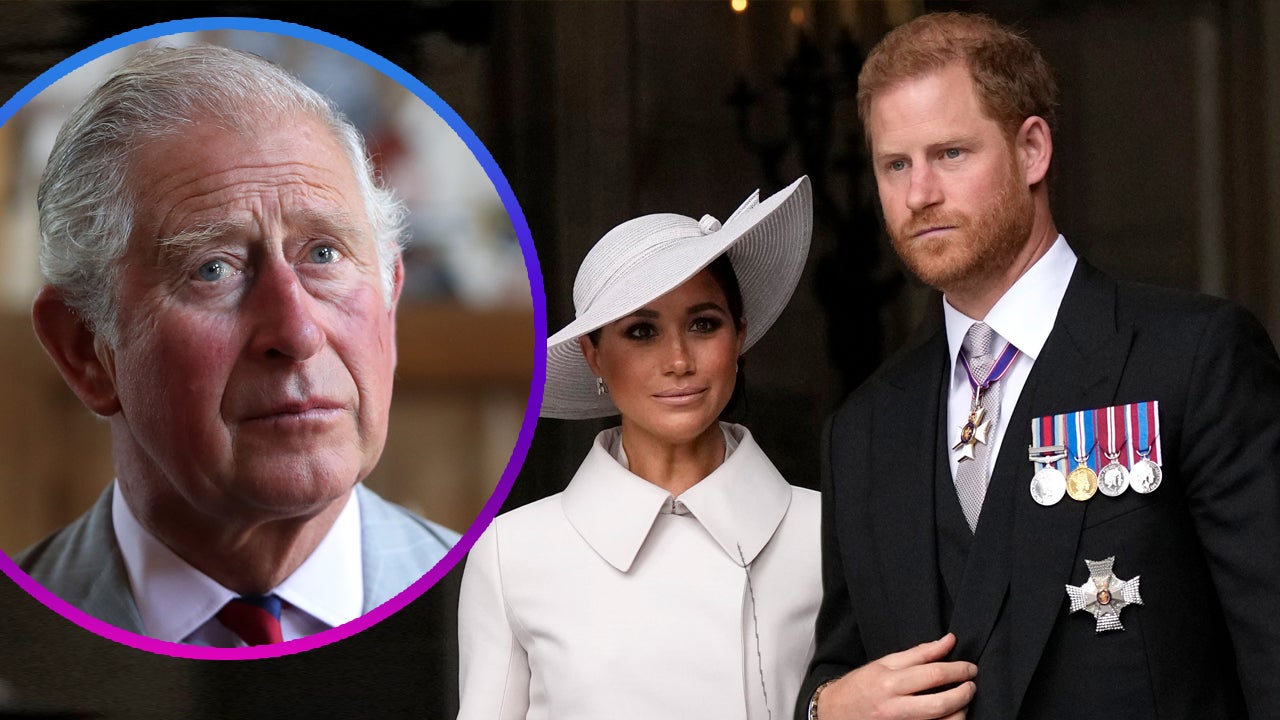
Beyond individual conduct, there are broader implications regarding the use of royal titles and security privileges. Invitations to royal estates like Sandringham automatically confer state-funded protection, and observers note that some gestures by the Sussexes appear strategically timed to benefit from these resources. This dynamic, combined with high-profile media projects and public statements, has contributed to a sense that reconciliation efforts with Charles would be fraught and potentially counterproductive. One insider explained, “Every new controversy, whether intentional or inadvertent, erodes the goodwill that might have supported a more harmonious reunion.”
The situation also highlights generational differences within the monarchy. Prince William is frequently portrayed as advocating firm boundaries, emphasizing the importance of stability and stress management within the family, particularly given the king’s ongoing health challenges. Charles, undergoing intensive treatment, faces additional pressures in managing diplomatic obligations and personal wellbeing while navigating family discord. Observers note that maintaining patience in these circumstances is extraordinarily difficult, and the decision to revoke the Sandringham invitation may be seen as a protective measure to preserve both personal and institutional integrity.
From a public perception standpoint, the Sandringham ban may also signal a broader shift in how the monarchy addresses internal conflict. For years, the palace’s restraint was perceived as tacit approval or tolerance, but the growing visibility of controversies abroad—combined with the decline in the Sussexes’ popularity in American media—suggests that passive approaches are no longer viable. Analysts suggest that by formally establishing boundaries, Charles reinforces the principle that royal privilege comes with responsibility, and that actions undermining the crown’s dignity carry consequences.
Ultimately, the move is as symbolic as it is practical. It underscores the limits of tolerance, the importance of maintaining royal decorum, and the reality that continued misbehavior by high-profile family members can no longer be managed through silence alone. For Harry and Meghan, the Sandringham ban is a clear message: fame and familial ties do not exempt them from accountability. For King Charles, it is a measured assertion of authority, an act of protection for the institution he now leads, and a reminder that even in a modern era, the monarchy’s standards remain non-negotiable.


