
AMERICANS END HARRY AND MEGHAN’S ROYAL DREAM – they’re nobody. Harry and Meghan received a brutal reality check after attempting to leverage their royal titles for fame in the US. The couple faced a heartbreaking truth: Americans no longer respect their titles. Constantly mocked on reality TV and late-night shows, Meghan is now doubling down on using her title for international trips outside the US. Ironically, back when she lived in the UK—where the public deeply respects the Monarchy—she and Harry were the ones who rejected the royal family. It all traces back to a past crisis. The Palace managed to bury the explosive feud between Meghan and Prince William for years. However, the secret has finally been blown wide open now that the Sussexes are desperate to return to the UK just to reuse their titles.
When Harry and Meghan arrived in the United States, they may have imagined that their royal titles would open doors, grant instant credibility, and attract admiration wherever they went. Instead, they were met with a jarring reality: in America, royal titles no longer carry the reverence they might have expected. The couple quickly realized that no amount of pomp or privilege could shield them from ridicule, particularly on reality shows and public platforms that treated them more like entertainment than royalty. Meghan, ever conscious of image, responded by holding tighter to her title during trips outside the U.S., perhaps hoping that some official recognition might still command respect. Yet, the irony was palpable. One could almost hear the collective American shrug: “Titles? Who cares?”
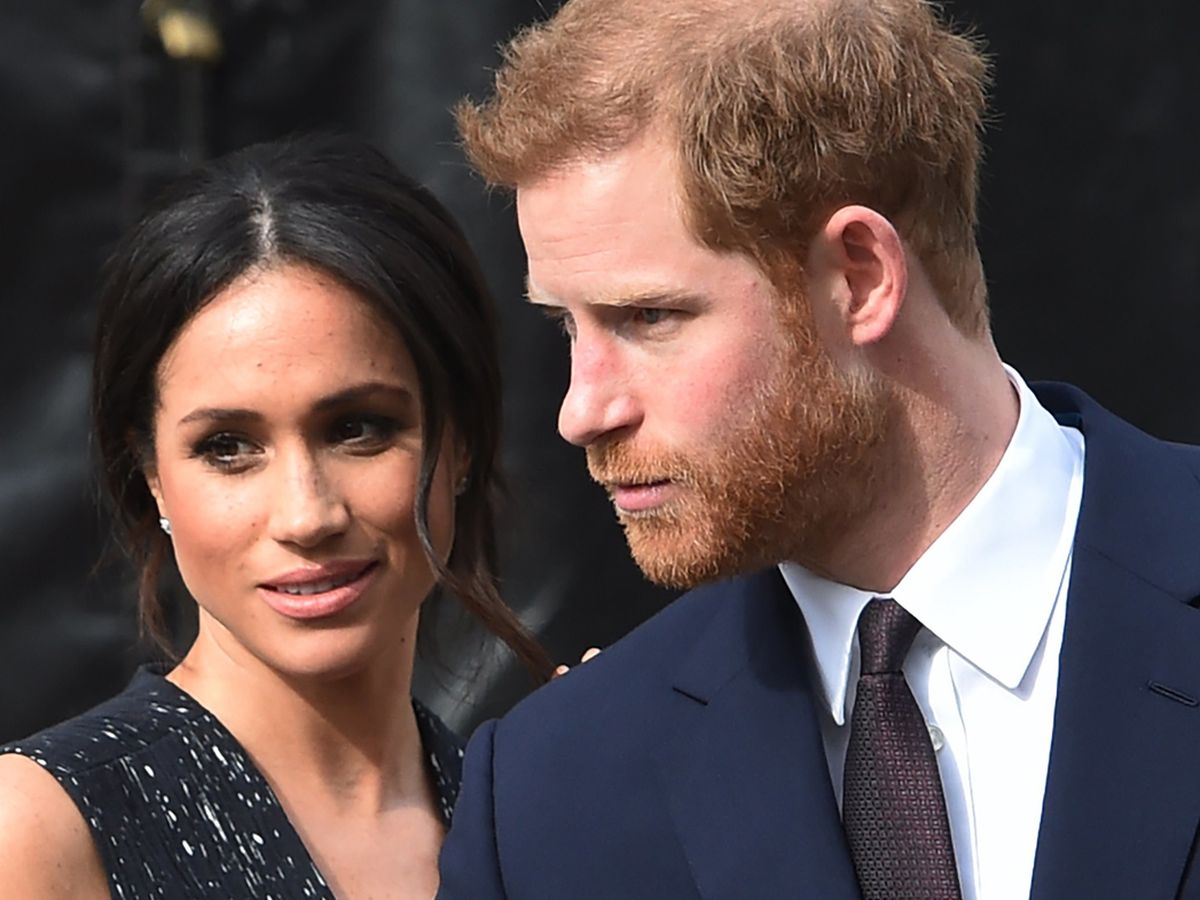
Interestingly, the situation was reversed when the Sussexes were in Britain. Despite Americans’ indifference, Harry and Meghan themselves were more inclined to reject their royal titles at home, even as the British public consistently demonstrated a deep respect for the monarchy. Observers might have raised an eyebrow at this contradiction. It was a curious dance: in the U.S., they clung to the symbols of tradition that Americans barely acknowledged, while in the UK, where tradition was alive and well, they often distanced themselves from it. Some palace insiders, speaking on condition of anonymity, remarked that this behavior reflected deeper tensions and unresolved ambitions that had been simmering for years.
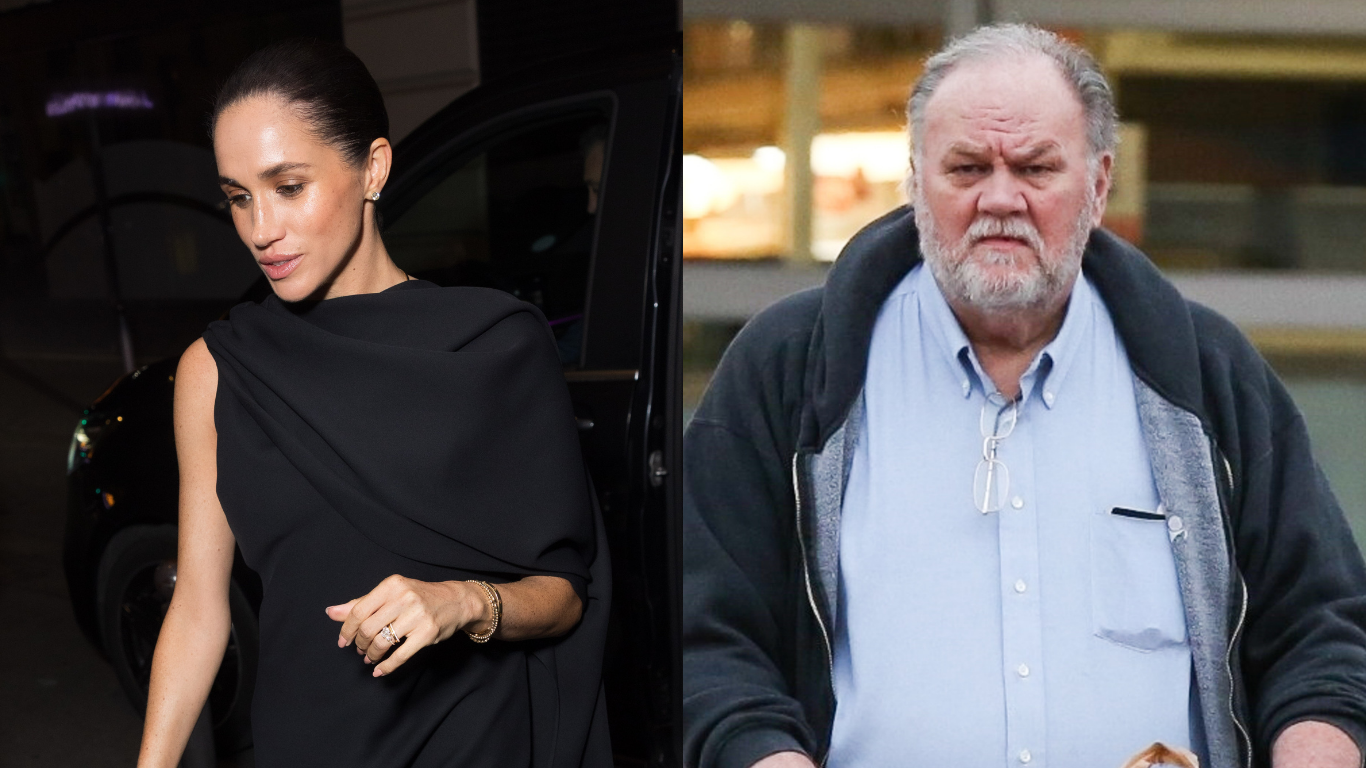
The roots of this unusual approach to titles trace back to a long-hidden crisis within the royal household. The palace had carefully kept secret the conflicts and rivalries that existed between Meghan and Prince William, a story that remained largely unknown to the public for years. These dynamics, sources suggest, helped shape Meghan’s complex relationship with royal protocol and her insistence on asserting her own identity. When the Sussexes recently expressed intentions to return to the UK and resume using their titles publicly, the long-standing tensions resurfaced, revealing how deeply entwined personal ambition and public expectation had become. A palace aide, whispering into the ear of a correspondent, commented dryly, “It’s like watching a chess match where the pieces keep changing their own rules.”
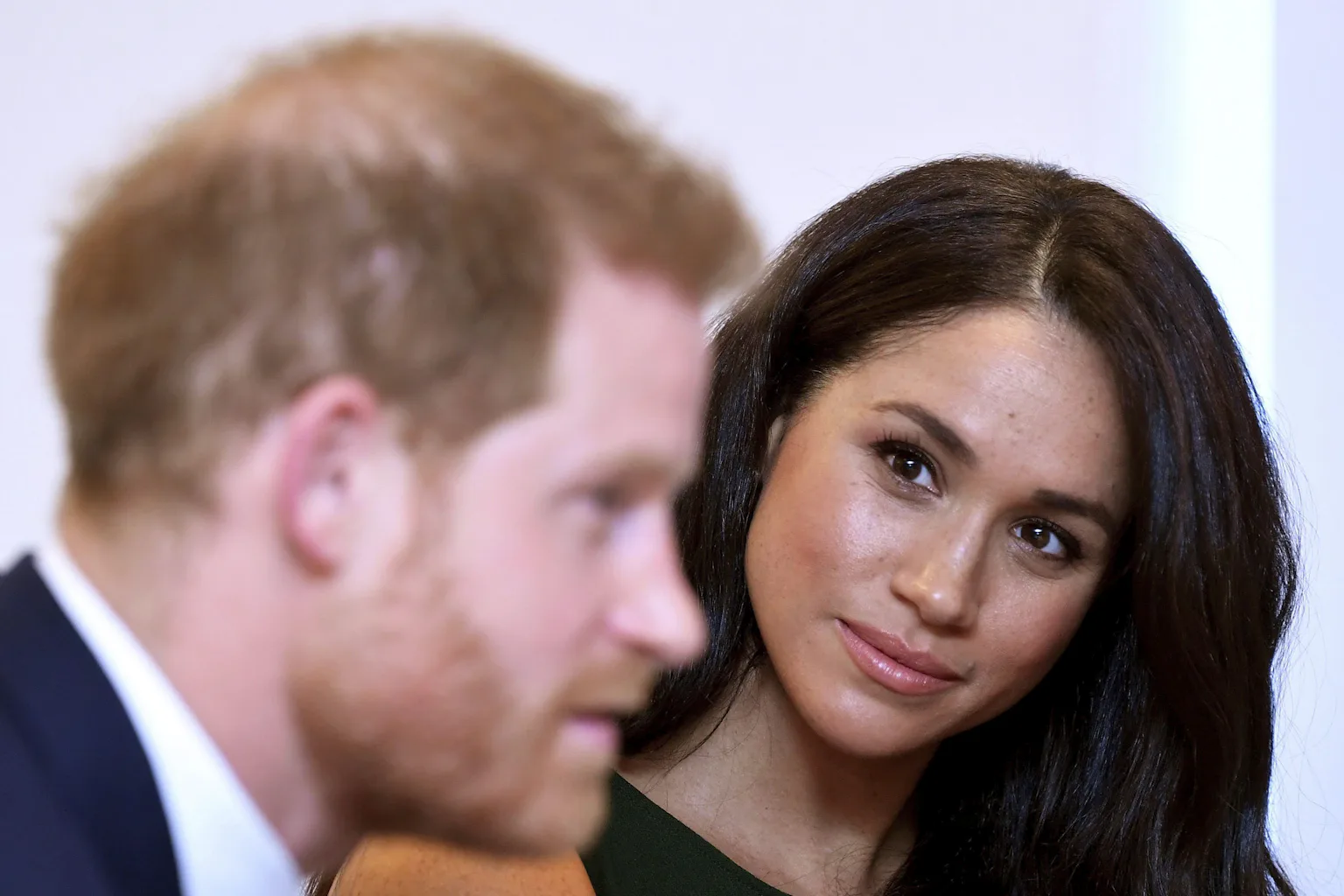
In practice, Meghan’s determination to control her titles has led to tangible challenges. Staff members, reduced in number over time to a handful of freelancers and close aides, struggle to balance protocol with her personal preferences. Each interaction requires navigating the fine line between respecting tradition and catering to Meghan’s insistence on preferred forms of address. These challenges have been amplified by the couple’s high-profile media engagements. In interviews and public appearances, the nuances of royal titles can either elevate the moment or render it awkward, particularly when the audience or press do not follow the desired protocol. “It’s exhausting,” one former aide admitted. “Every introduction feels like a minefield.”
The disparity between American reception and British expectation has only heightened the Sussexes’ frustration. While Harry and Meghan were treated as celebrities in the U.S., the public’s fascination did not translate into the reverence that royal titles once commanded. In Britain, however, where protocol is a carefully observed art, the titles still matter to many, even if the holders themselves sometimes resisted them. Meghan’s perception of this disconnect fueled her determination to assert her identity abroad, creating a tension between personal branding and the symbolic weight of her heritage. Commentary from royal experts suggests that this duality may be at the heart of much of the ongoing debate surrounding the couple: the struggle to reconcile personal autonomy with inherited tradition.
As they navigate these complex waters, the Sussexes’ experience serves as a case study in modern royalty. Titles, once universally respected, now carry meaning only where they are recognized and valued. For Harry and Meghan, the realization that their titles were essentially meaningless in the U.S. was both humiliating and instructive. Their attempts to leverage these symbols for fame backfired, revealing the limits of ceremonial authority in a world that increasingly values visibility over pedigree. Yet, the saga also demonstrates the enduring power of perception. In Britain, respect for the monarchy remains deeply ingrained, reminding the couple—and observers alike—that context matters. The tension between these worlds continues to define their public image, inviting scrutiny, admiration, and criticism in equal measure.
Ultimately, the story of the Sussexes’ titles is a story of contrasts: between continents, between expectation and reality, between personal desire and public convention. It is a narrative that combines celebrity culture with the enduring mystique of royalty, creating a landscape where old symbols are tested against new ambitions. As the couple weighs their next moves, one cannot help but notice the irony: the very titles that seemed to promise status and influence abroad have become fragile emblems, whose power is defined less by heritage than by the world that witnesses them. The crisis of the Sussexes’ titles, then, is not merely about nomenclature—it is about relevance, recognition, and the intricate balance of identity in the modern age.


