
Harry’s long-anticipated return to the United Kingdom this summer was expected to mark a turning point. At the center of that plan was a deeply symbolic goal: a private meeting with his father, King Charles III. For many observers, such a moment could have signaled the beginning of reconciliation after years of public tension. But almost as soon as the plan surfaced, it appeared to unravel—leaving behind more questions than answers.
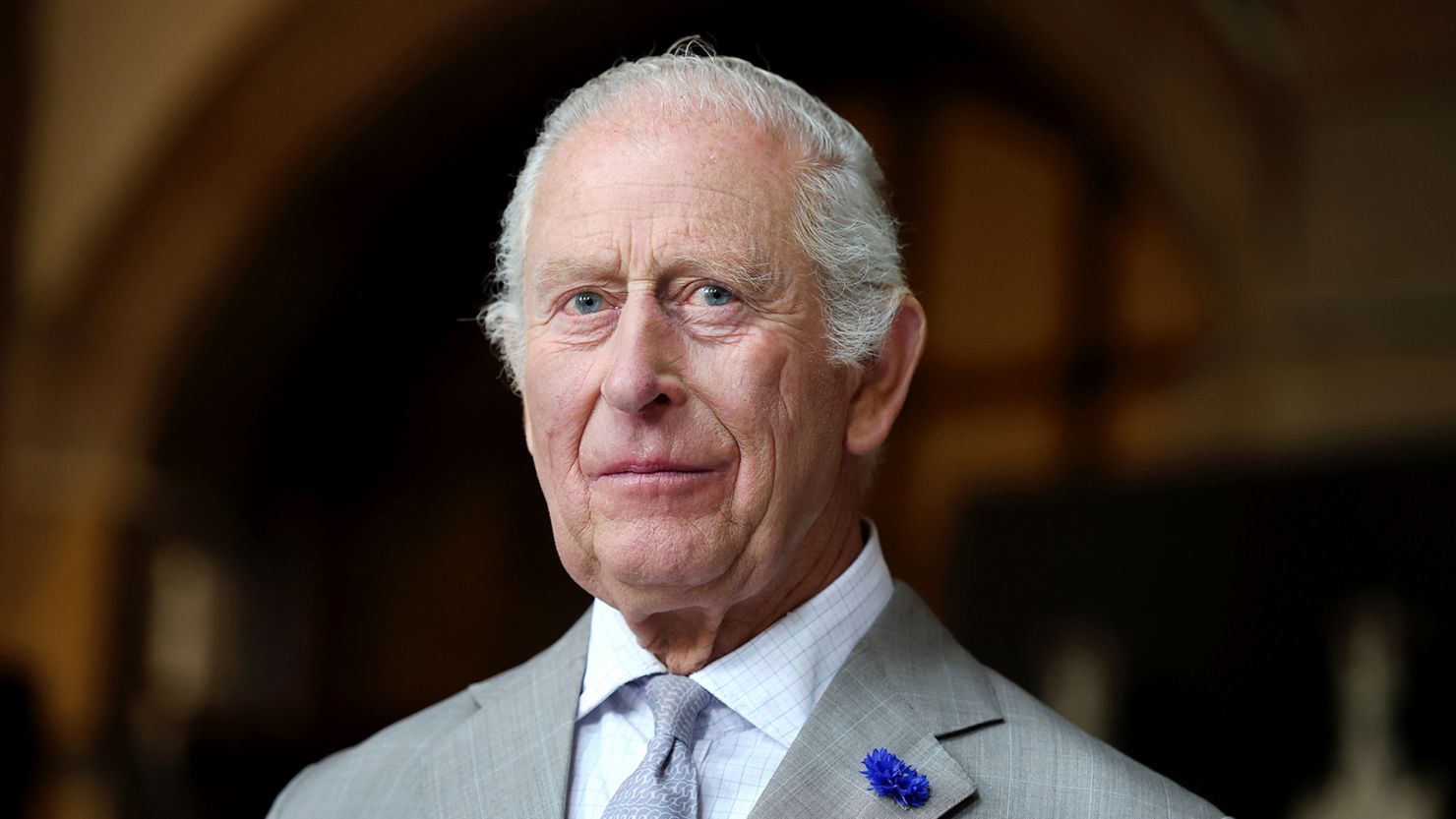
Reports suggest that Harry and Meghan had been carefully shaping the narrative around this visit, with the possibility of a reunion positioned as both a personal and public milestone. In today’s media-driven environment, even a single image of father and son reunited could carry immense emotional and symbolic weight. However, critics have been quick to question whether the intention was purely familial. As one royal watcher put it, “In a world where visibility equals influence, it’s hard to separate emotion from strategy.”
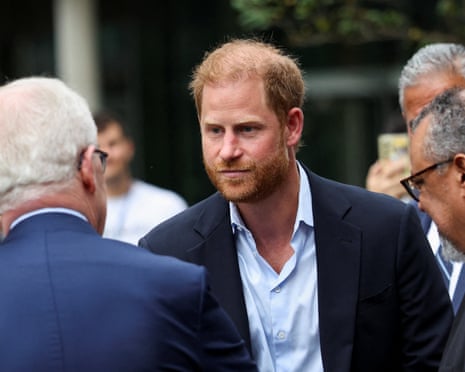
The response from within the royal family, particularly from Prince William, seems to have shifted the dynamics almost immediately. Rather than outright rejecting the idea of a meeting, William is said to have proposed an alternative approach—one that would place any potential reunion within a broader, more public family setting. On the surface, this may appear accommodating, but in reality, it significantly reduces the possibility of a private, controlled interaction.
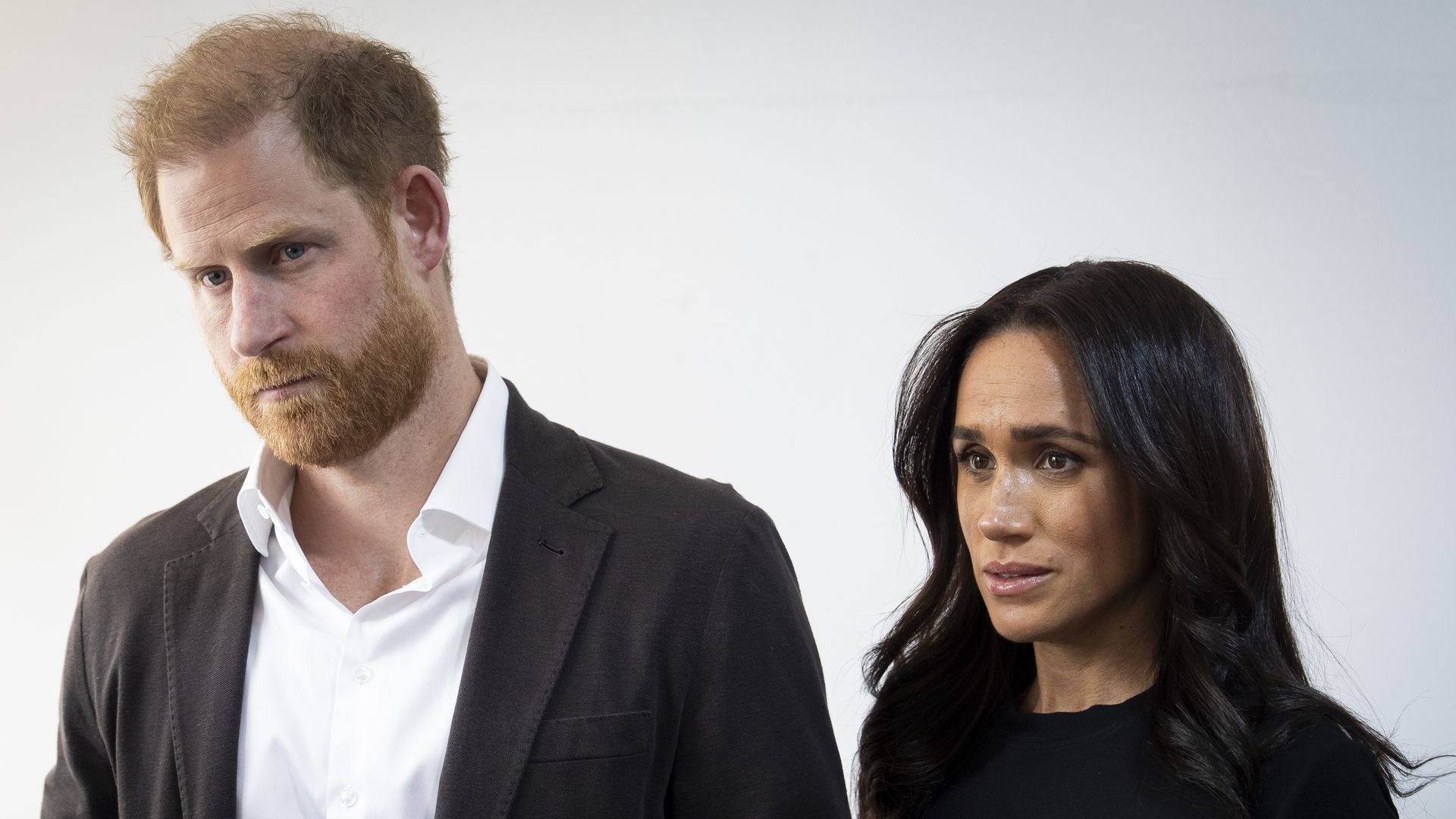
This move has been widely interpreted as a calculated effort to manage risk. A private meeting, after all, leaves room for differing accounts, selective storytelling, or future reinterpretation. By contrast, a larger, structured setting ensures transparency and limits the potential for any one party to shape the narrative independently. “It’s not about shutting Harry out,” one commentator noted, “it’s about making sure the rules are clear—and that no one walks away with an advantage.”
Yet the most decisive twist reportedly came not from William, but from King Charles himself. While details remain unclear, sources indicate that the King has taken a cautious stance, one that ultimately undermines the possibility of the kind of private reunion Harry had hoped for. This decision, whether driven by personal hesitation, institutional pressure, or a combination of both, appears to have closed the door—at least for now—on any immediate breakthrough.
For some, this outcome feels inevitable. The relationship between Harry and the royal family has been strained not only by distance but by years of public disclosures, interviews, and criticisms. Trust, once broken on such a visible stage, is not easily rebuilt. As one observer commented, “Reconciliation isn’t just about showing up—it’s about rebuilding something that’s been eroded over time. And that takes more than one meeting.”
Public reaction has been sharply divided. Supporters of Harry argue that his desire to reconnect with his father should not be dismissed, especially given the King’s age and ongoing health concerns. They see the situation as a missed opportunity for compassion and healing. On the other hand, skeptics view the entire episode through a more strategic lens, suggesting that any reunion would inevitably be tied to image, influence, and long-term positioning.
What makes this situation particularly complex is the dual nature of the royal family itself. It is both a family and an institution—a private network of relationships and a public-facing entity under constant global scrutiny. Decisions that might be simple in an ordinary family become layered with meaning when viewed through the lens of monarchy. In this context, even a personal meeting becomes a matter of optics, protocol, and long-term impact.
William’s reported approach reflects this reality. By neither fully rejecting nor fully embracing the idea of a reunion, he maintains a delicate balance between openness and control. Meanwhile, King Charles’s final position reinforces the notion that, at least for now, stability and caution take precedence over emotional gestures.
Whether Harry’s plans will evolve or shift in the coming months remains uncertain. What is clear, however, is that any path toward reconciliation will not be straightforward. It will require not only willingness from all sides but also a level of trust that has yet to be restored.
In the end, this episode underscores a larger truth: within the royal family, even the most personal hopes are shaped by forces far beyond emotion alone. And sometimes, even the most carefully laid plans can fall apart before they ever truly begin.


